Tomorrow, the new exhibition “Art or Science” opens at KUMU
Text Timo Huttunen
Photos Estonian Art Museum
August Matthias Hagen. Porphyry wall at Hogland lighthouse. 1835. Sepia, watercolour, gouache. Tartu University Library
The exhibition “Kunst või teadus”, which means Art or Science in English, is an exhibition that examines the connections between art and natural sciences in the 19th and early 20th centuries. For the first time, the exhibition deals with the historical relationship between art and science in Estonia.
The exhibition highlights the contribution of artists and scientists to the study and description of botany, zoology, medicine, climate, and palaeontology of Estonia, but also of the Russian Empire more broadly.
The goal is to emphasize the importance of the images in creating and shaping knowledge, because often the visual history of science is largely forgotten.
In the exhibition, historical scientific images are put into dialogue with the present day, because nowadays knowledge is more and more pictorial and the ability to interpret images critically is needed more and more.
In addition to the collections of the University of Tartu, in the exhibition, you can also see scientific pictures from other Estonian collections and get to know many draftsmen and illustrators who have remained hidden behind the so-called real artists and scientists.
The exhibition is a collaboration between the Museum of the University of Tartu, the Estonian Art Museum and the Estonian Academy of Arts.
”Kunst või teadus” can be seen at Kumu from October 14, 2022 until March 19, 2023. From October 2023, the exhibition will be on display at the Tartu University Museum.
KUMU is an art museum located in Tallinn’s Kadriorg Park. It is the largest art museum in the Baltics.
Elsa Rosenstein. Brachiopods. 1920s–1930s. Pencil. Tartu University Natural Science MuseumUnknown artist (according to Alexander Postels). Franz Joseph Ruprecht and Alexander Postels collecting algae. Illustration for Postels and Ruprecht’s Illustrationes algarum (Pictures of algae). St. Petersburg, 1840. Coloured lithograph. Academic library of Tallinn UniversityGeorg Friedrich Schlater. Human shoulder muscle. 1830s (?). Drawing according to Nikolai Pirogov’s preparation. Museum of the University of TartuErich Hanko (?). Horse, cattle and sheep. Teaching board. Late 1930s (?). Pencil, charcoal. Anatomy collection of the Institute of Veterinary Medicine, Estonian Agricultural University
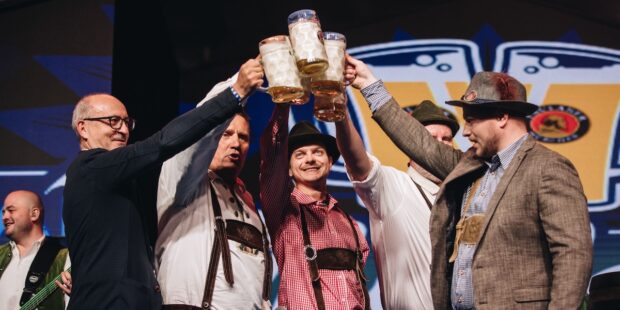
Oktoberfest is the most popular festival celebrating German culture, food, and drink around the world. While the official festival takes … Read more
21.9.2026 | Culture
Exciting events in Estonia this week
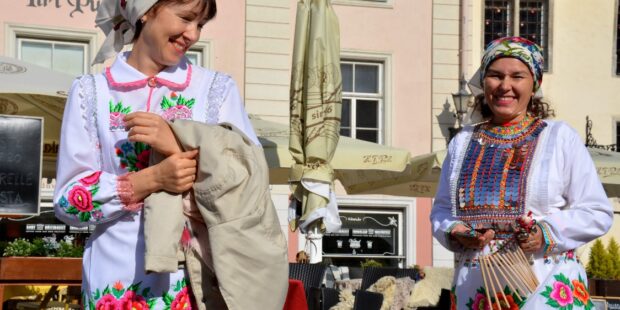
19–27 September Days of National Cultures, Tallinn Each year Tallinn celebrates its cultural diversity by showcasing the various cultures in … Read more
20.9.2026 | Culture
Works by Two Abstract Artists in Pärnu
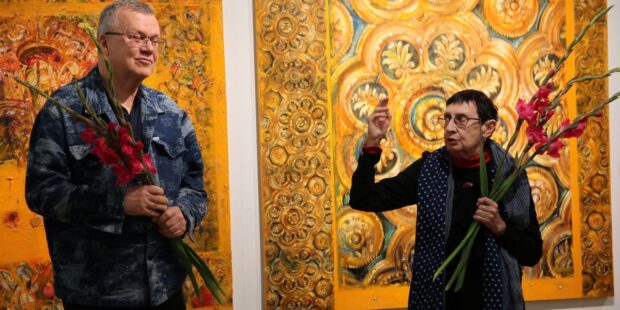
The Museum of New Art in Pärnu has opened an exhibition entitled “Dialogue”, featuring a selection of works from the … Read more
19.9.2026 | Culture
Lamprey Festival in Narva-Jõesuu
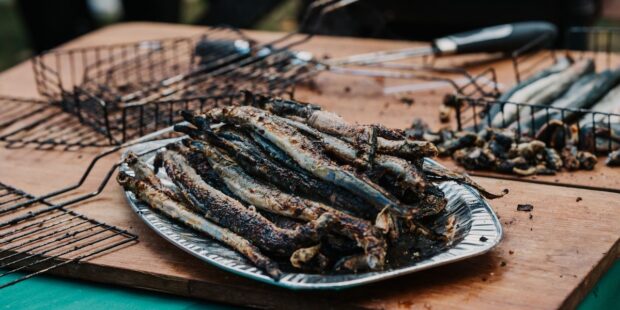
Narva-Jõesuu is Estonia’s northeasternmost region, and is known as a holiday area, with spas and hotels and restaurants welcoming visitors … Read more
18.9.2026 | Nature
Matsalu Nature Film Festival
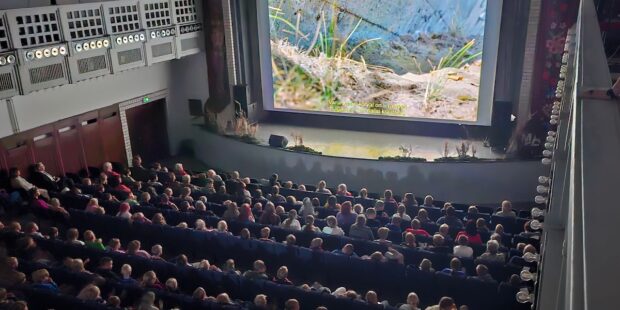
For 23 years the Matsalu Nature Film Festival has been growing in popularity, with sometimes over 1200 films submitted. This … Read more
17.9.2026 | Culture
Photographs by Vivian Maier at Fotografiska
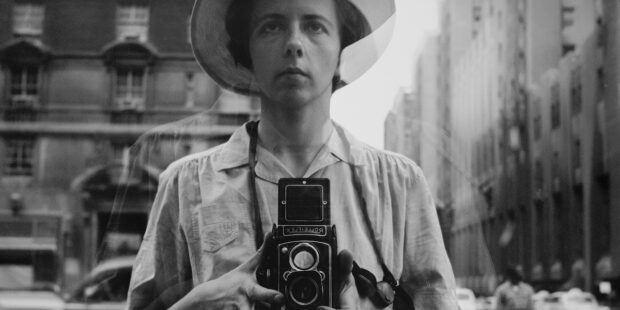
On 19 September, Fotografiska Tallinn will open an exhibition devoted to the work of Vivian Maier (1926–2009), perhaps the most … Read more
17.9.2026 | Culture
Days of National Cultures 2026 in Tallinn
Tallinn is more than just Estonia’s capital city, it’s the people who live there, and not all are Estonians! This … Read more
15.9.2026 | Culture
Narva Is Estonia’s Autumn Capital in 2026
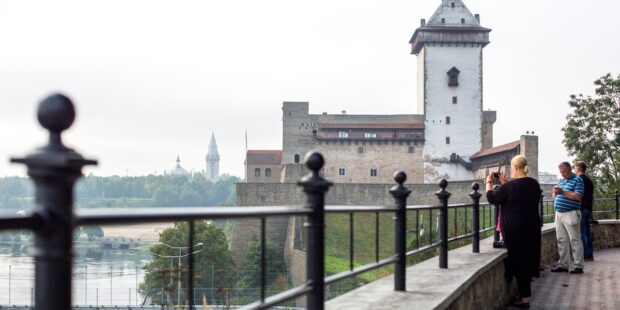
Narva’s official opening of the “Narva—Estonia’s Autumn Capital 2026” programme will begin on Sunday, 20 September. This kicks off a … Read more

 August Matthias Hagen. Porphyry wall at Hogland lighthouse. 1835. Sepia, watercolour, gouache. Tartu University Library