What Estonia Is Talking About
Photos Kaitseliit from Estonia, CC BY 2.0, via Wikimedia Commons,
Andrei Chertkov, US Real Estate
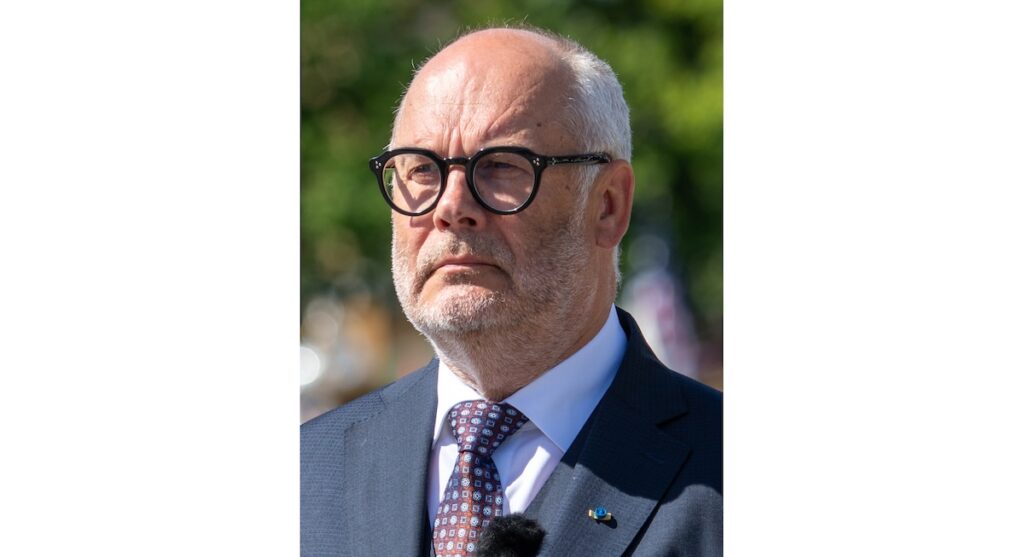
President Alar Karis will not seek a second term
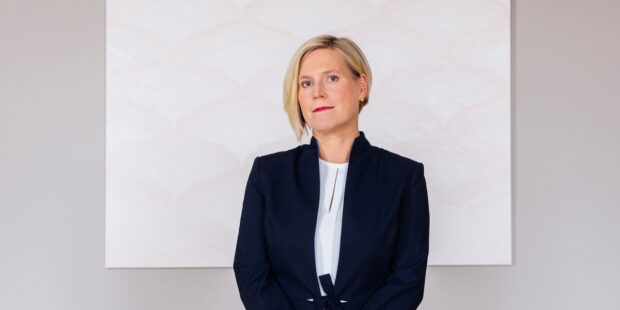
Estonia’s incumbent President, Alar Karis, has announced that he will not stand for a second term in the 2026 presidential election this autumn. Karis cited personal reasons for his decision, although party politics also appears to have played a role. He was unlikely to have secured sufficient support in the Riigikogu, Estonia’s parliament.
Estonia does not elect its president by direct popular vote. Instead, the president is chosen through an indirect electoral process.
Karis’s surprise announcement has left the race wide open, and the Estonian media is now speculating intensely about who will succeed him.
Among the leading names are former President Kersti Kaljulaid and experienced Member of the European Parliament Marina Kaljurand. Veteran diplomat Riina Kionka has also been mentioned as a possible compromise candidate for the governing parties. The right-wing EKRE party has officially nominated Mart Helme as its candidate.
The search for Estonia’s next head of state will reach its climax on 2 September 2026, when the Riigikogu convenes to elect the president. A two-thirds majority is required, which may prove difficult to achieve.
If no candidate is elected after three rounds of voting, the decision will pass to a broader electoral body later in September. The new president will take office on 12 October.
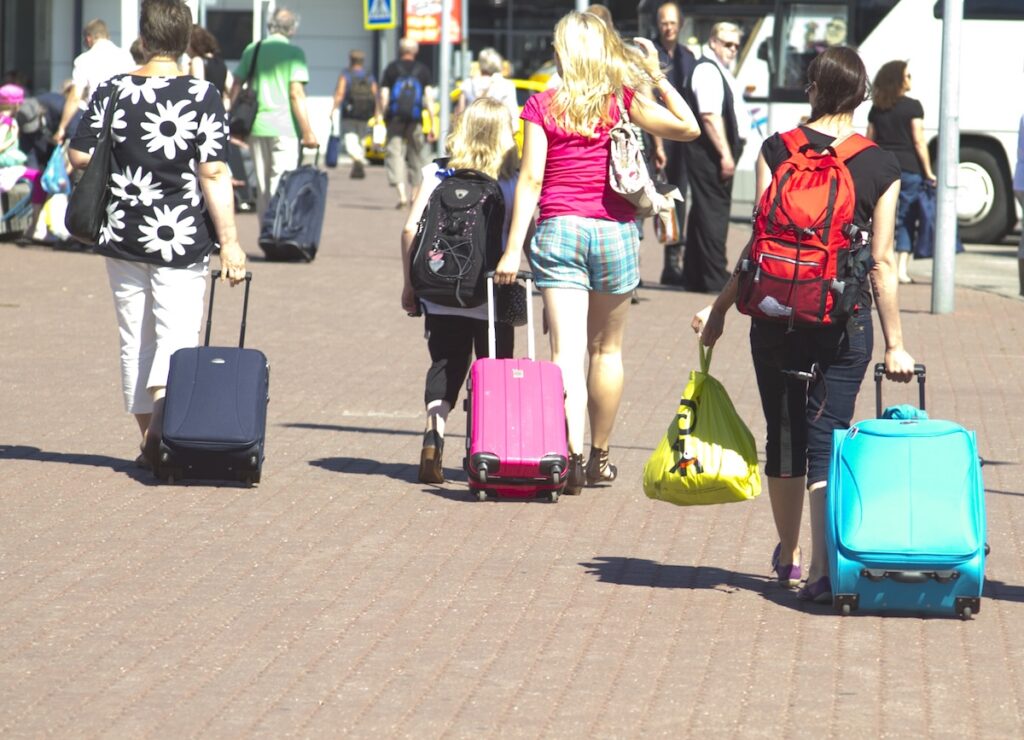
Accommodation capacity is growing: where will Estonia find thousands of new visitors?
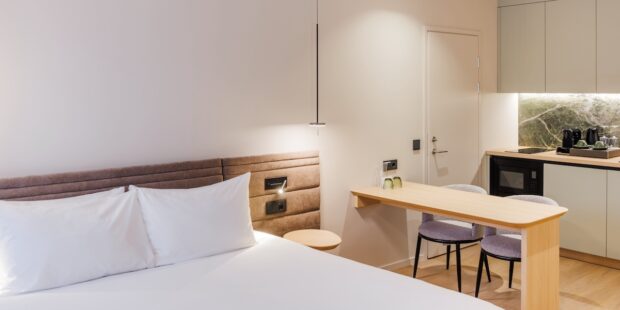
Estonia’s tourism sector is entering a period of major transformation. Over the next few years, several new spa resorts will be built across the country, adding a combined total of around 1000 hotel rooms and more than 2000 beds.
The increase in accommodation capacity does not stop there. According to media reports, almost the same amount of new hotel capacity is currently under construction in Tallinn alone and is expected to be completed within the next three years.
The key question is: where will enough guests—and employees—be found to fill and operate these new facilities?
For many years, Finnish visitors have formed the backbone of Estonia’s tourism industry, and they still account for just under 40% of all hotel guests. For hotels to remain profitable, average occupancy generally needs to stay around 60% throughout the year.
If even half of the customers needed for the new hotels and spa resorts were expected to come from Finland, it would require Finnish hotel tourism to Estonia to grow by as much as 30%. Under current circumstances, that would be an enormous increase. It would require entirely new customer segments from Finland, as traditional shopping trips and weekend breaks alone are no longer sufficient to fill the growing number of hotel rooms.
Estonia’s tourism industry therefore needs to expand its focus to new international visitor markets while also renewing its tourism offering. Competitive prices alone are no longer enough. New hotels and spa resorts must provide unique experiences, high-quality services and compelling attractions capable of drawing visitors from much further afield.
The rapid expansion of accommodation capacity represents both a risk and a major opportunity for Estonian tourism. The next three years will reveal whether these new rooms can be filled successfully.
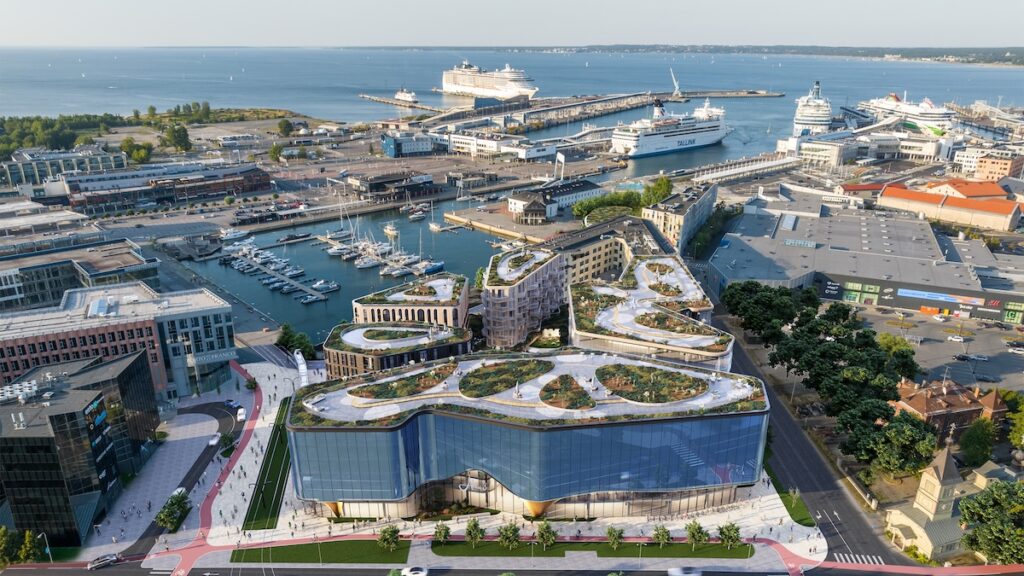
A new €150 million waterfront district is rising next to Tallinn’s passenger harbour
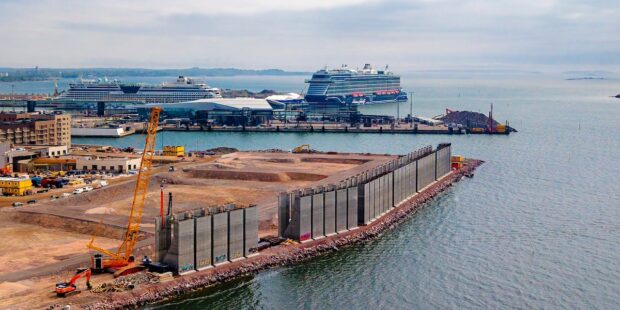
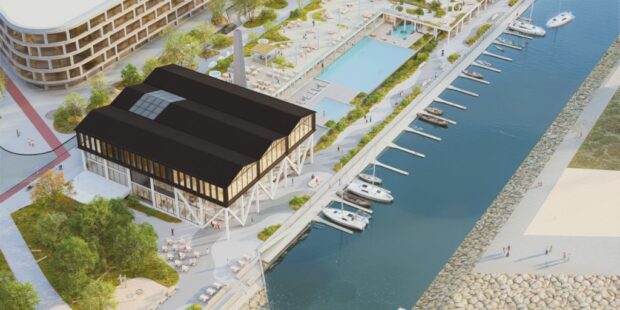
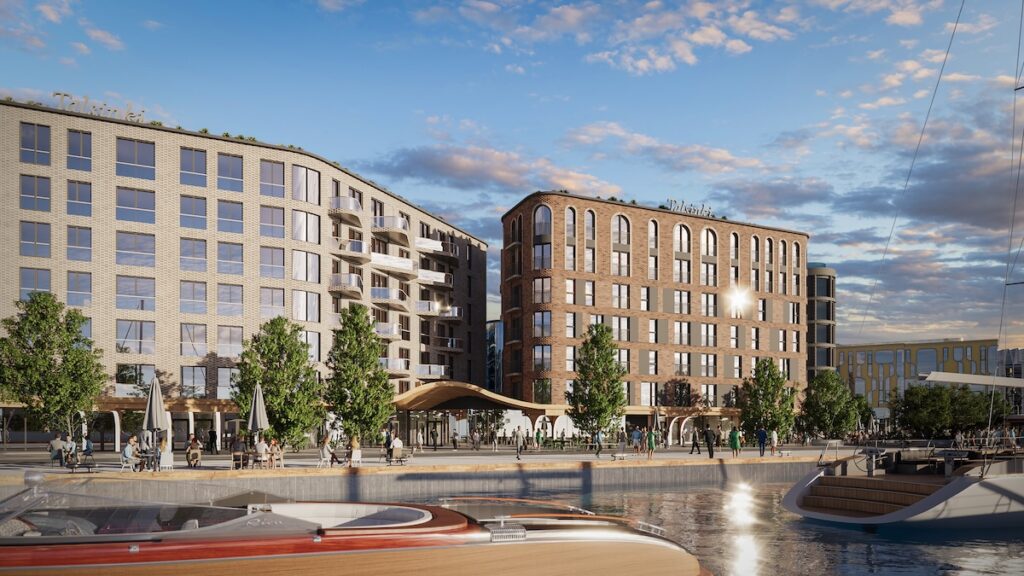
A new, ultra-modern district known as the Talsinki Quarter is being developed next to Tallinn’s passenger harbour.
The project, led by US Real Estate, has a total investment value of approximately €150 million, with the first phase scheduled for completion by 2028.
Estonian property developer Urmas Sõõrumaa, one of the key figures behind the project, describes the development as a tribute to Finland and the Finnish people. The name “Talsinki” combines Tallinn and Helsinki, reflecting the close twin-city relationship and decades of cooperation between the two capitals.
The new district will serve as a modern gateway for millions of ferry passengers, occupying a prime location between the busy A and D passenger terminals, adjacent to the popular Rotermann Quarter.
The development will include 138 high-end waterfront apartments. In addition to residential buildings, it will become a business hub, housing the Baltic headquarters of SEB Bank along with other premium office space. A five-star hotel and a dedicated spa and wellness centre will also be built as part of the project.
Architecturally, the Talsinki Quarter represents a new direction, as the layout and positioning of the buildings have been designed according to the principles of feng shui.
To learn more about this and similar topicsaccommodation capacity Apartments elections harbour district Hotel President Spa Talsinki