A Hundred Reasons to Visit Põltsamaa
Text Timo Raussi
Photos Teele Kaeramaa, Kuningamäe kardikeskus
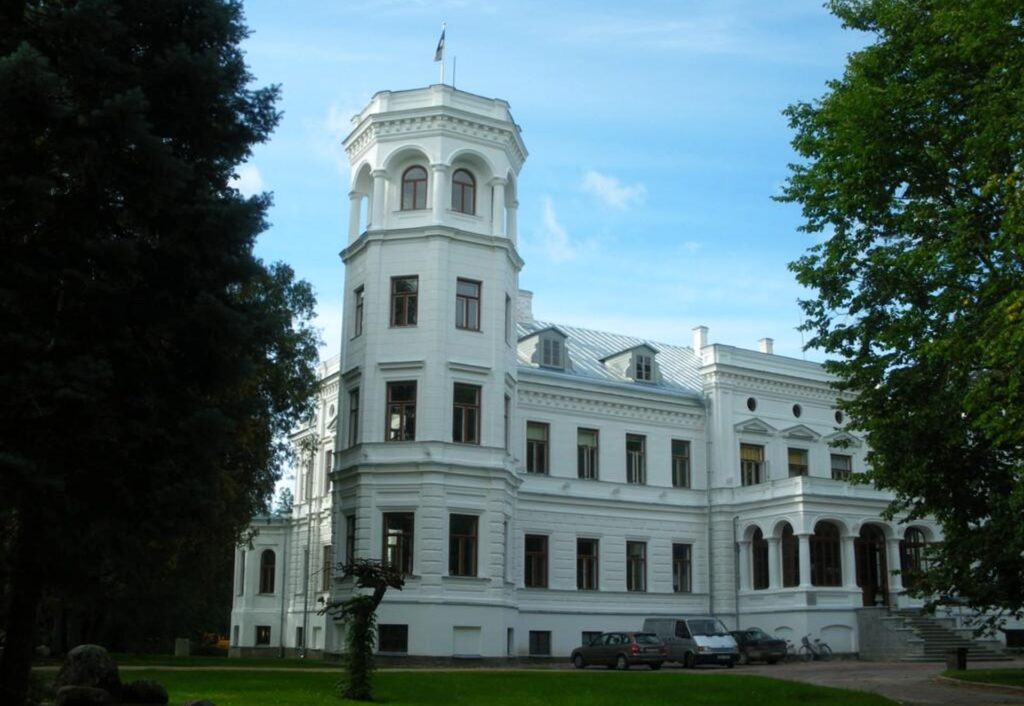 Puurmani Manor takes its name from the von Buhrmeister family, to whom the estate was granted by Queen Christina of Sweden in 1645.
What comes to mind when you hear the name Põltsamaa? Perhaps its famous mustard, a castle seen in social media photos, or a road sign along the Tallinn–Tartu highway, although by then you are already so close to Tartu that you might not really feel like turning off the main road.
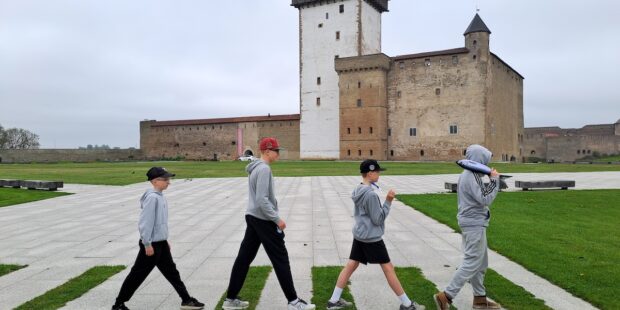
But do you know why this small town of around 9000 inhabitants, together with the surrounding Põltsamaa municipality, was known as Oberpahlen until 1917? It is also the name of the restaurant operating in the castle courtyard, complete with quality wine cellars. The river flowing through the town, eventually reaching Tartu’s Emajõgi via the Pedja River, is also known locally as the Paalajõgi, or Pahle in its former German-language form. Thus, “above Pahlen” or “on the Pahlen bank” is quite a logical name for a settlement that developed as early as the late 13th century and, in the 1570s, even served as the main residence of the then Kingdom of Livonia.
Speaking of the main road: the geographical centre of mainland Estonia is located in Kalme village, in Põltsamaa municipality, right alongside the highway. The site features an ancient sacrificial stone, an information board and a yellow National Geographic scenic frame, perfect for taking selfie photos. Note to self: remember to add it to the list of stops in the satnav!
And continuing with the trivia: did you know that the first Estonian-language periodical, Lühhike öppetus, mis sees monned head rohhud teäda antakse…, published in 1766, was printed at a printing house on the outskirts of Põltsamaa? Its title translates roughly as “A Short Instruction Giving Information About Some Good Folk Remedies”.
Inspired by the town charter it received exactly one hundred years ago, Põltsamaa’s tourism people launched a series of Facebook posts in June called “100 Reasons to Visit Põltsamaa”. Although the campaign is aimed at domestic travellers and is available only in Estonian, the posts and photos are easy enough to understand using a web browser’s translation function. Now, at the end of August, the series has reached episode 59, but even from the posts published so far—many of them enriched with excellent background stories—I have already collected plenty of ideas for a stopover on my next drive towards Tartu. Here are just a few examples:
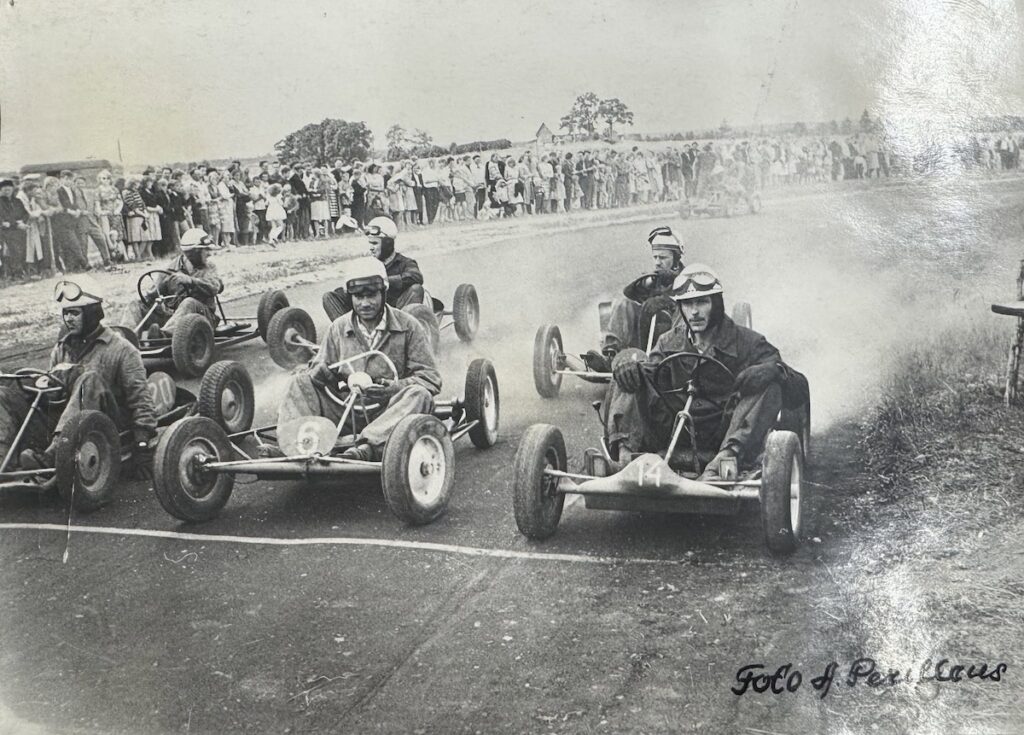
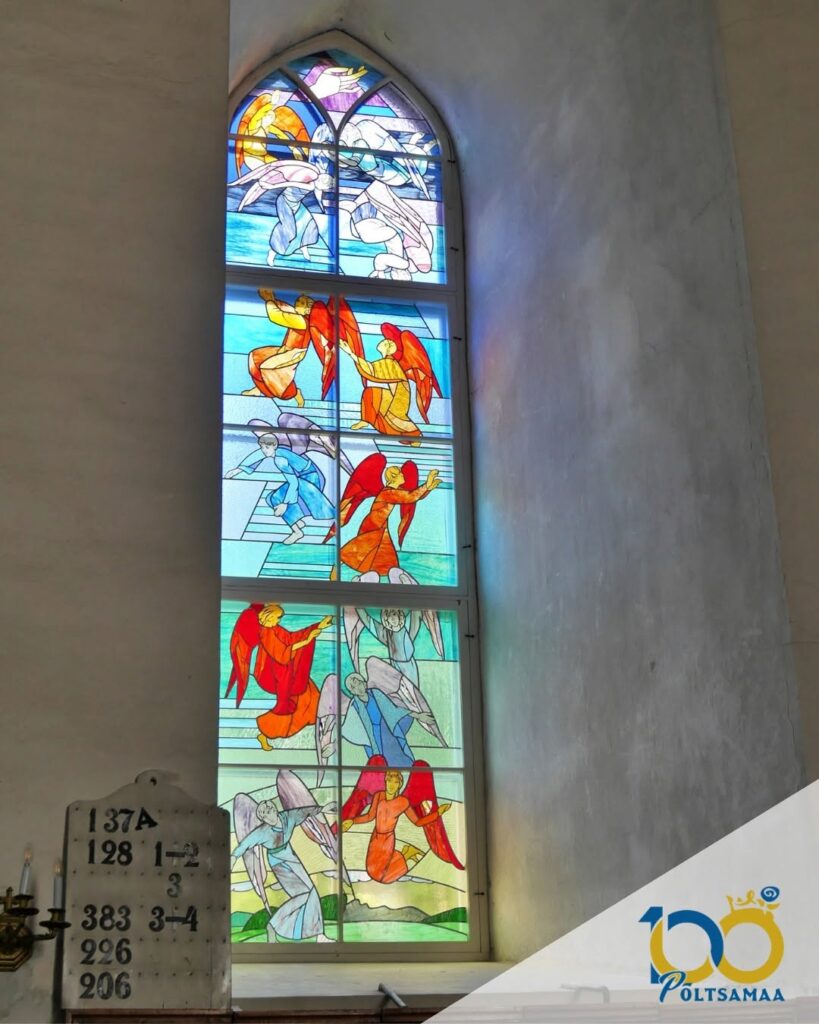
The Adavere, Lustivere, Võisiku and Pajusi manor houses; the hugely popular wake park on Lake Kamari, featuring a cable-pulled waterskiing system and also located right beside the highway; Sõpruse, or Friendship Park, also right by the main road, with its impressive statues of “Kalevipoeg Ploughing” and “Estonian Olympic Medalists”; three new large stained-glass windows at Põltsamaa St Nicholas’ Church and Estonia’s longest woven church aisle carpet; fashion designer Katre Arula’s handicraft and accessories shop in the castle courtyard; a private radio museum; numerous summer events; an exhibition at the castle museum featuring space-tube food developed at the Põltsamaa factory for cosmonauts; Toretalu’s cornfield labyrinth… and many, many more. It might even be worth looking for accommodation in the area rather than in Tartu…
To learn more about this and similar topicsattractions Castle castle museum Oberpahlen Põltsamaa restaurant Tourism wakepark