A Self-Service Instant Noodle Restaurant Opens in Tallinn
Text and photos Timo Raussi
There are all kinds of restaurants in the world. There are fast-food restaurants and kiosks, nostalgic cafeterias, and fine-dining establishments at the top of critics’ lists, offering seven or nine-course tasting menus. This summer, Tallinn has welcomed a new restaurant novelty originating in Asia which, judging by the initial reactions of the media and the public, seems to appeal primarily to younger people.
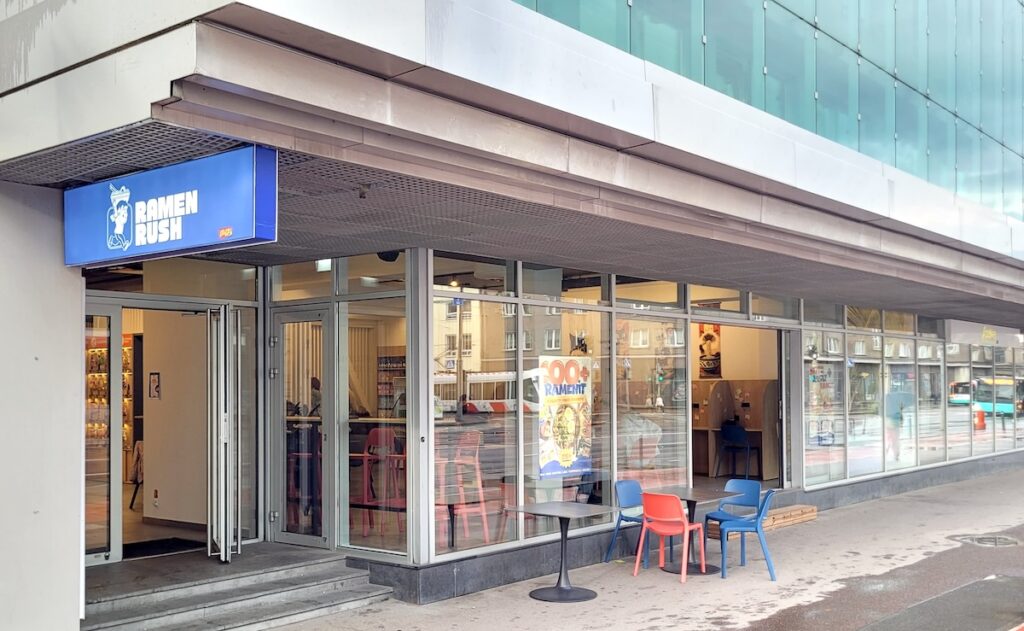
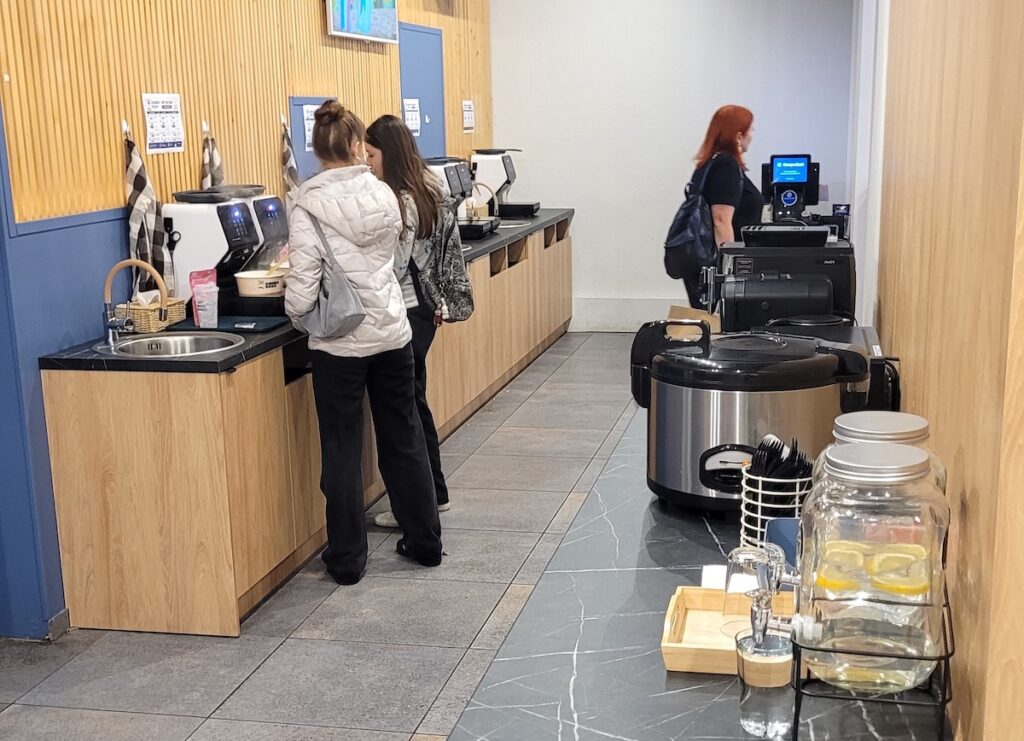
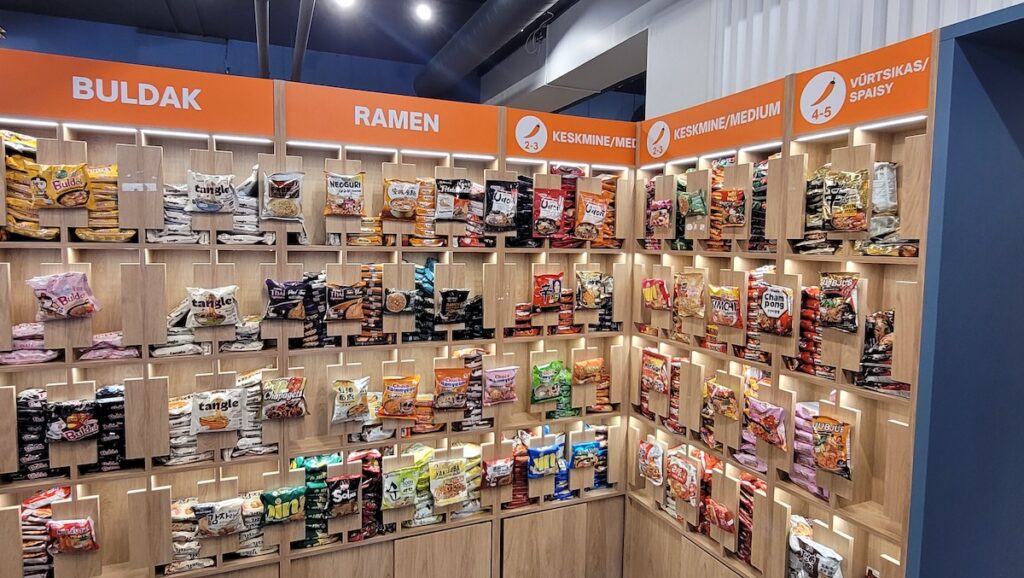
On Narva Road, a little in the direction of Kadriorg from the Viru Centre, Korean-inspired Ramen Rush is now open daily from 11:00 to 22:00. Its concept is something of a cross between a 7-Eleven convenience store and a dining hall. Customers choose a packet of instant noodles from the shelves and place it on their tray, with a remarkable selection of more than 70 different flavours and levels of spiciness, then add whichever toppings they want, and finally prepare the meal themselves at the restaurant’s cooking station.
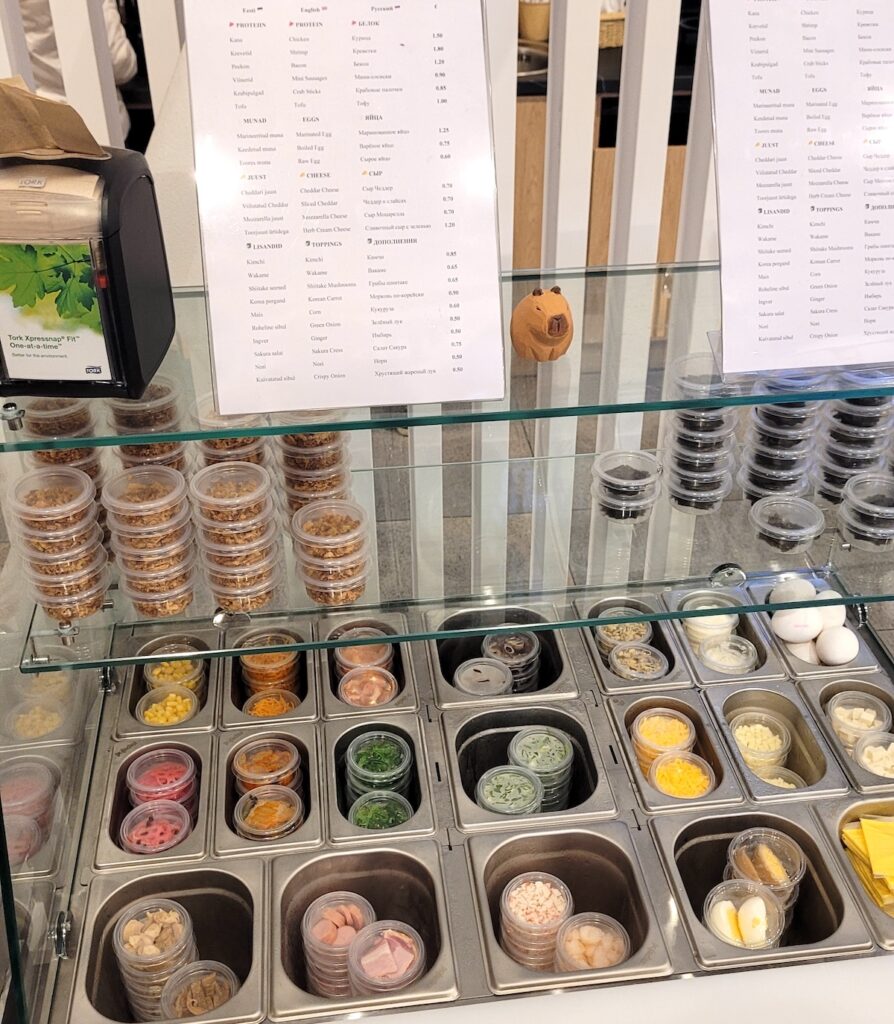
The pricing is based on an inexpensive main product with individually priced toppings. Instant noodles cost around €2, while toppings packaged in disposable plastic cups range in price from approximately 60 cents to €1.20. Korean drinks, snacks, and desserts are also available.
Estonian media outlets such as Õhtuleht and Elu24, along with their young summer reporters, have highlighted the appealing customisability of the meals and the more unusual, and often extremely spicy, noodle options during their test visits. The self-service concept was inspired by Korean television series and TikTok videos, prompting the restaurant’s founders to bring a similar experience to Estonia.
However, when it comes to environmental friendliness, almost every fast-food restaurant and conventional Asian restaurant compares clearly favourably with Ramen Rush, at least in this writer’s opinion. Instant noodles imported from Asia are, of course, also available in supermarkets. But unlike, for example, a salad bar, even every individual ramen topping at Ramen Rush is packaged in its own disposable plastic container. The resulting combination of a disposable cardboard bowl, the plastic noodle packaging, the seasoning and sauce packets inside it and, as seen in at least one video, even the plastic wrapping surrounding the noodles themselves, is somewhat disturbing.
Ramen, familiar from Japanese restaurants but more accurately Chinese in origin, is not a new phenomenon in Tallinn. It is only the Ramen Rush business model that is unusual. High-quality ramen dishes prepared by chefs are available at, among others, Tokumaru in the Solaris Centre, Kanuti Ramen Bar, Izakaya Ramen Taro, Koyo Omakase, Kagerou Ramen House and Restaurant Yui in Kalamaja. The fusion restaurant Issei has also become known for its interpretations of Japanese-Peruvian culinary traditions.
To learn more about this and similar topicsKorean Cuisine Narva Road noodles ramen dishes Ramen Rush self-service Tallinn