The Capital of Culture year sheds new light on the future
Text Petri Saraste
Photos Kaarel Kõlvatu,
Kiur Kaasik, Maanus Kullamaa
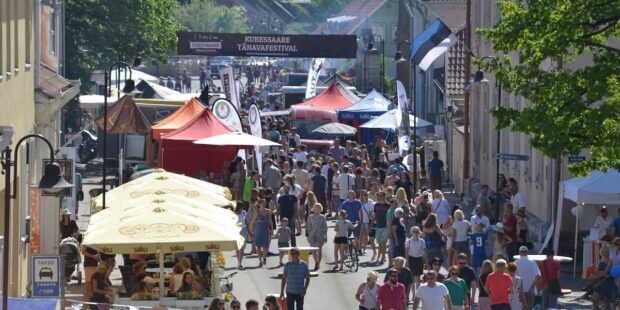
 The car-free boulevard will reopen in the centre of Tartu this coming summer.
The European Capital of Culture 2024 will be widely promoted in Tartu and throughout southern Estonia in the coming years.
“The experience will extend beyond Tartu to places like Valga, Võru, Põlva and Viljandi, among others,” explains Kuldar Leis, Executive Director of the Tartu 2024 project.
“This has been the largest collaboration project we’ve ever undertaken. It lasted five years in total, and its impact will resonate in these regions, benefiting both the participants and the public.”
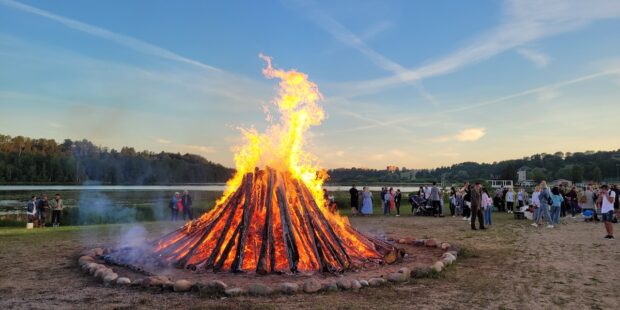
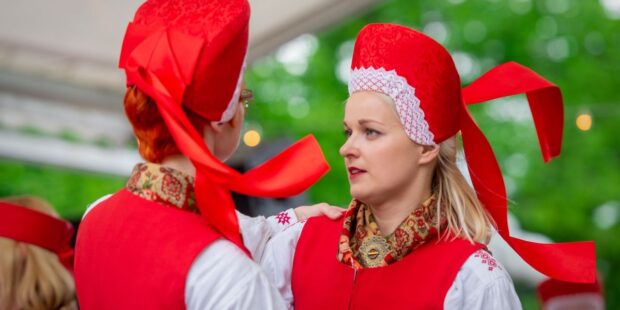
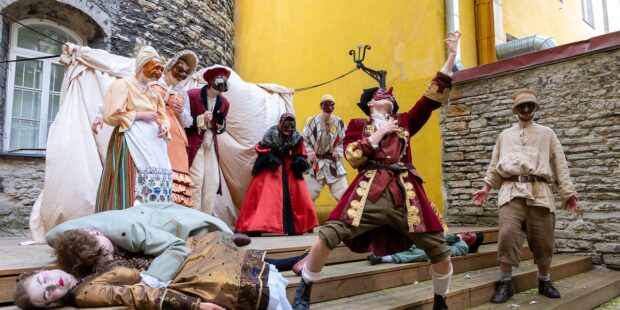
Among the lessons learned include the large events that attracted huge audiences. These included a song and dance festival, a car-free boulevard, theatre performances and a mass kissing event, the first of its kind in the world. Star performers included Sting and Bryan Adams.
The Estonian National Museum remains a favourite for visitors to Tartu, with the exhibition by Japanese sound artist Ryoji Ikeda in particular attracting around 8,000 visitors. According to Estonian Minister of Culture Heidy Purga, the Capital Year gave the entire Estonian cultural sector the skills, courage and international outlook to continue to operate globally.
The Capital Year brought around one million visitors to Tartu, 100,000 of whom came from abroad. The five-year investment cost around 26 million euros, including 1.5 million euros from the EU. The investment paid off and visibility was achieved. International media hits were calculated to have been more than 1,000 in some 20 European countries. Through the international media, it can be calculated that Tartu attracted the attention of millions of readers in magazines such as The Guardian, Vogue, The Telegraph, The Independent, Der Spiegel, Frankfurter Allgemeine Zeitung, National Geographic and so on.

What will happen after the Capital of Culture year?
Although the official European Capital of Culture programme has come to an end, Tartu still has much to offer. The city regularly organises a variety of events and cultural life remains lively. Tartu has managed to combine its rich history with modernity, creating an inspiring environment for art and culture. It is also home to the oldest university in Estonia and Northern Europe, founded in 1632, which has played a key role in the development of science and culture.
The next major investment will be in the Tartu Cultural Centre, Siuru, which will open in 2029. The cultural centre will reportedly house a large selection of Estonian books and possibly also literature from Finland and other Nordic countries. It may also host events such as author visits, poetry evenings, writing workshops, debates, exhibitions and other cultural events such as concerts and theatre.

Finns rediscovered Tartu
Finns were by far the largest group of foreign visitors to Tartu last year. Finns also accounted for the largest share of overnight stays in the city, around 13 per cent. It is hoped and expected that the interest of Finns in southern Estonia will continue to grow.
And what advice could Tartu give to Oulu, the European Capital of Culture in 2026? “Projects like this are not sprint races, but rather marathons. That’s why it’s necessary to take care of the whole team and also provide them with enough rest time when there are quieter periods. The members of the organisation must also be able to enjoy themselves and have fun during this journey.”
“Many of the participants in the Capital of Culture project are very keen to continue participating in such events in the future, and there is even potential to organise larger events,” Kuldar Leis assures.”

To learn more about this and similar topics