The Gentle Charm of Southern Estonia
Text Rusty Snyder

Photos Rivo Veber, Anna Svetlichnaia,
Andrei Chertkov, Ago Pelisaar, Susanna Poikela
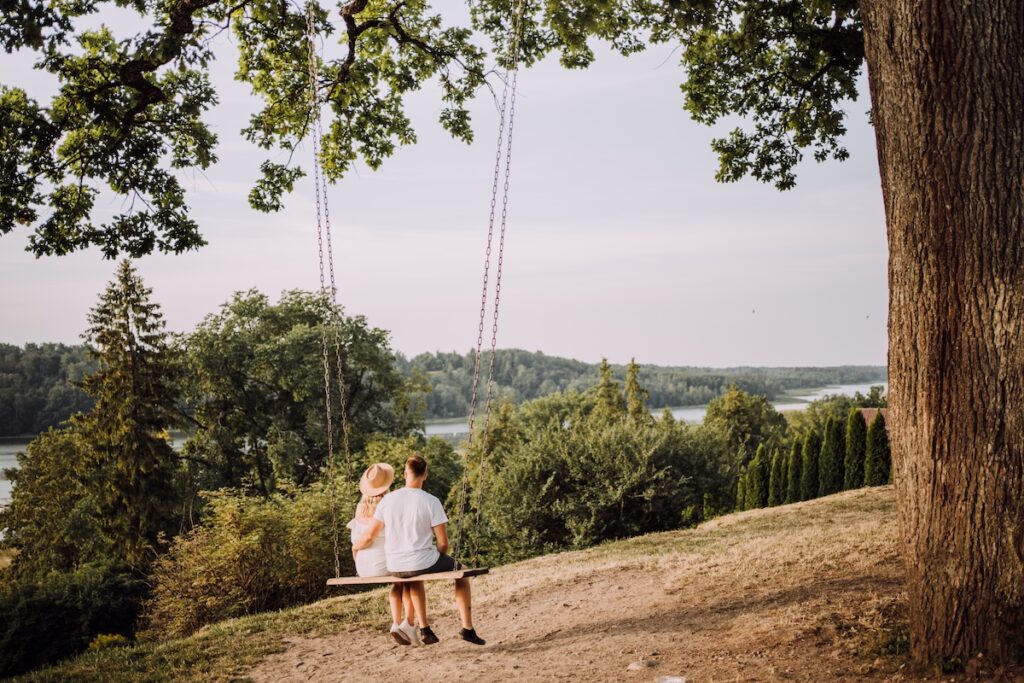 In Southern Estonia, the pace of life is calm, the landscapes are almost untouched, and every small town has its own atmosphere, history, and character.
Far from the rush of the capital and the best-known tourist routes lies Southern Estonia. The region consists of six counties: Jõgeva, Põlva, Tartu, Viljandi, Valga, and Võru Counties. In this article, we introduce Viljandi, Võru, and Valga. If you are looking for meaningful and memorable experiences, these three destinations deserve a place in your travel plans.
Cradle of culture and art
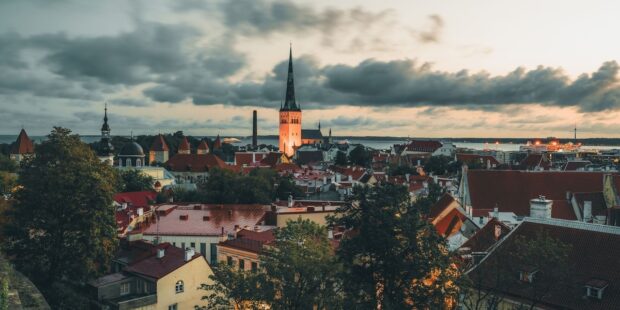
Viljandi is known for its rich history and vibrant cultural life. Its charming old town invites visitors to stroll along cobblestone streets lined with colourful wooden houses and cosy cafés. Just a short walk away are the castle ruins, offering beautiful views over Lake Viljandi.
The city’s spiritual heritage is represented by St Paul’s Church and St John’s Church, whose architecture reflects the styles and eras in which they were built. At the Kondas Centre, visitors can explore Estonian naïve art, while the Viljandi Museum offers insight into the region’s past.
Viljandi is also famous for its events. The city comes alive during the Hanseatic Days on 5–7 June, and the internationally renowned Viljandi Folk Music Festival on 23–26 July. Viljandi is also home to the Estonian Traditional Music Centre, which preserves and promotes the country’s rich folk music heritage.
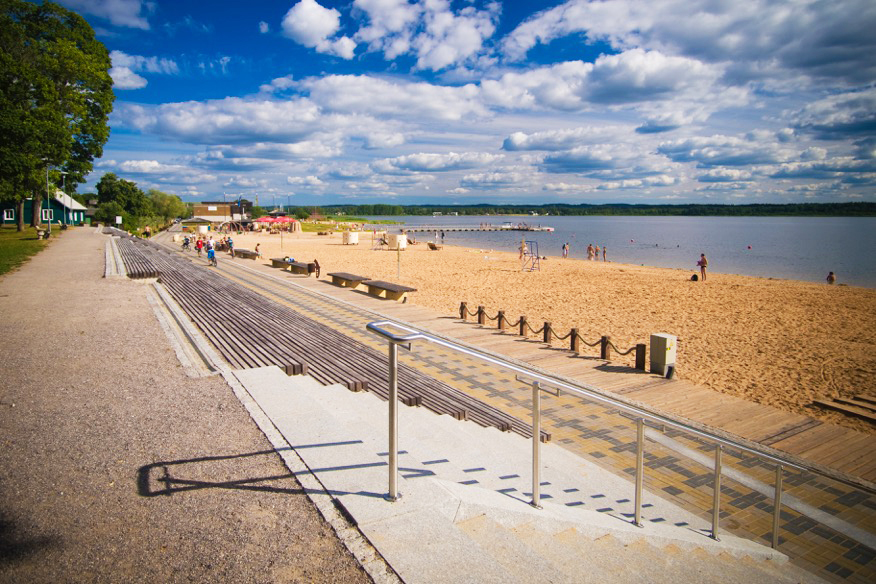
A relaxed small town surrounded by forests
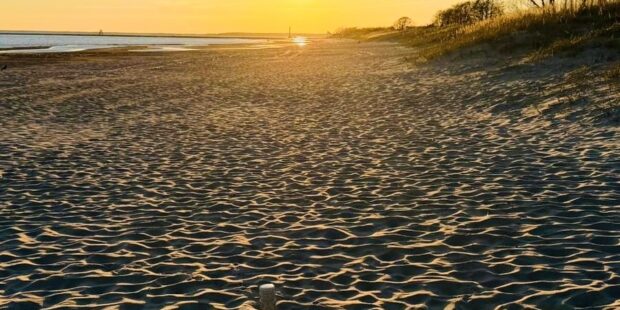
Surrounded by forests, Võru charms visitors with its peaceful atmosphere and beautiful setting. The heart of the town is its central square, while Lake Tamula is only a short walk away. It is a popular beach and recreation area among locals. An evening walk along the lakeside promenade at sunset is an experience in itself.
Food lovers should head to the pub-style restaurant Mõisa Ait to sample regional dishes, while those interested in culture can visit the Võru County Museum for a glimpse into local history. During summer, the town becomes livelier with the Võru Folk Dance Festival on 9–12 July, when music and dance fill the streets.
For nature lovers, the nearby Kubija forest offers green walking trails and peaceful scenery. Võru’s appeal comes precisely from its blend of culture, nature, and good food.
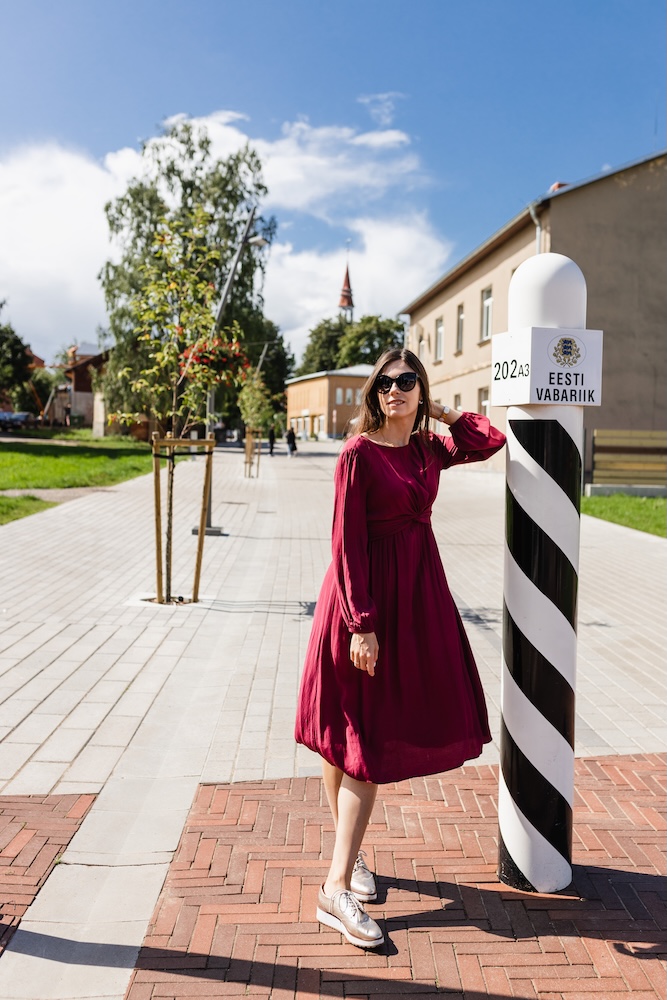
A quiet yet distinctive border town
Valga is one of the most interesting towns in Southern Estonia. Located right on the Latvian border, it forms a unique twin town with the Latvian town of Valka. Here, you can move from one country to another almost without noticing.
Valga has a calm and unhurried atmosphere, shaped by both Estonian and Latvian influences. Its pleasant streets and friendly people make it a distinctive destination to visit.
Among the main sights are the historic town hall built in the 19th century, and St John’s Church, whose architecture combines simplicity and elegance. The Valga Museum introduces visitors to the region’s history and the identity of this border town.
Crossing into Latvia is easy on foot. Visitors often stop to take photos at the border markers or sit on the bench that stands in two countries at the same time. Valga also has small parks, cosy cafés, and restaurants serving simple but authentic food. The town and its surroundings are ideal both for walking and cycling trips.
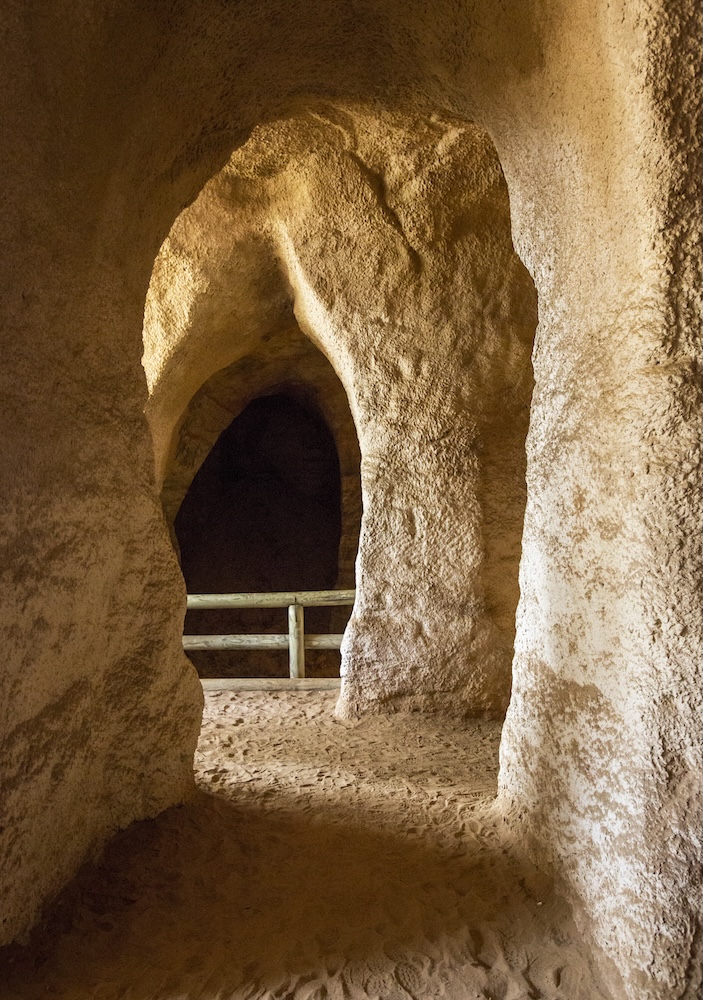
Other interesting destinations in Southern Estonia
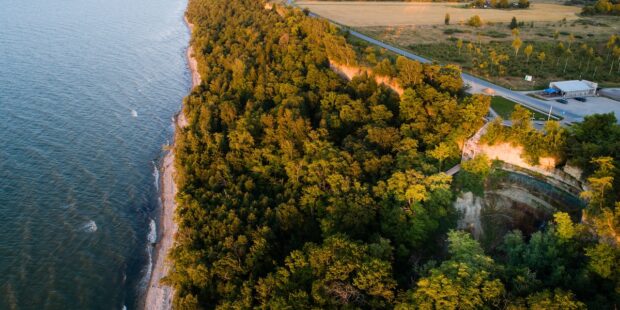
While traveling around Southern Estonia, it is also worth visiting the Piusa cave labyrinth, an impressive man-made sandstone cave system created through quartz sand mining. Karula National Park, meanwhile, offers lakes, traditional farmsteads, and peaceful hiking trails. If you want to say you have visited the highest point in the Baltics, climb Suur Munamägi. The ascent is fairly easy, and the views from the top are magnificent.
To learn more about this and similar topicsBeach Folk Dance Hansa Days Kubija Piusa Caves Southern Estonia Tourism Võru