Summer Nature Tips for Estonia
Text Mikko Virta

Photos Priidu Saart, Silver Gutmann,
Romet Vaino, Andrei Chertkov, Ken Mürk
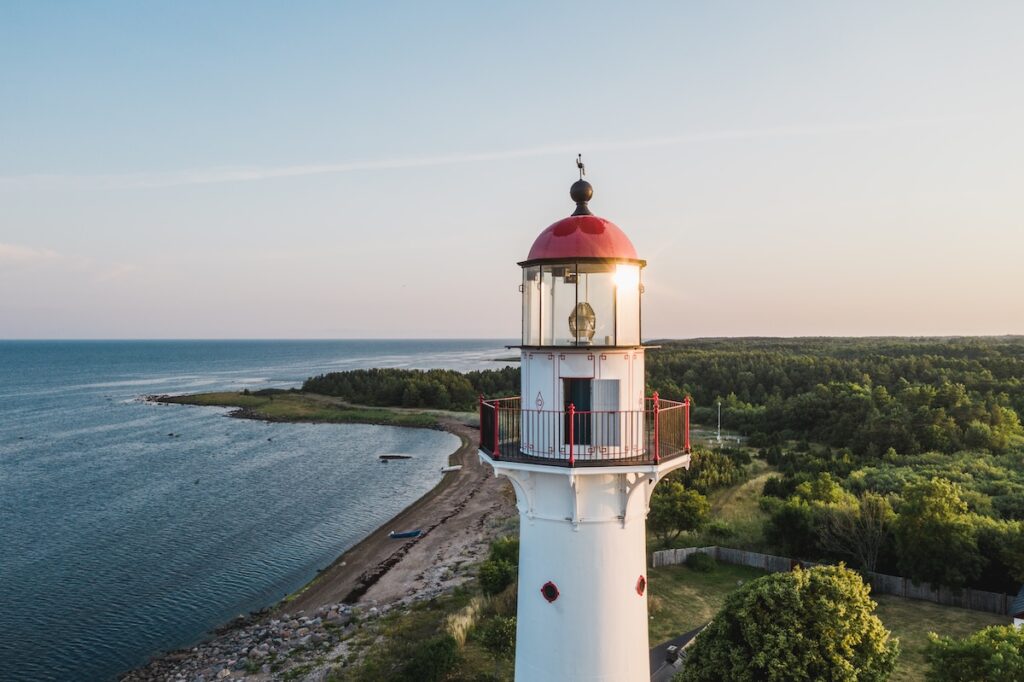 Estonia has 13 lighthouses open to the public. Hiiumaa is a dream destination for lighthouse enthusiasts, but there are impressive lighthouses elsewhere as well. Pictured is Kihnu Lighthouse.
Take a dip in a bog pool
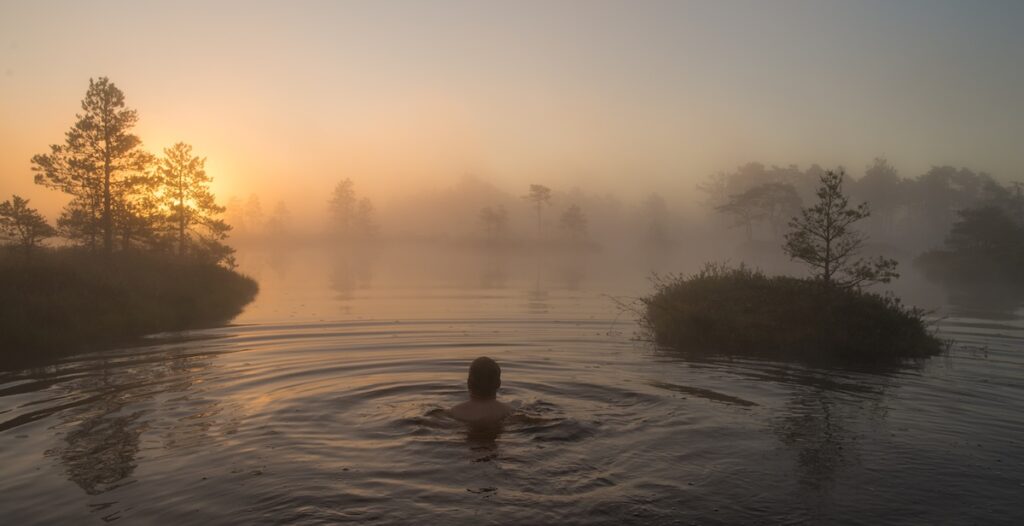
Swimming in natural waters is one of summer’s greatest pleasures. In Estonia, besides rivers, lakes and the sea, bog pools are also popular swimming spots. Taking a plunge into the dark waters of a bog pool is always a memorable experience. The sun-warmed surface water feels soft, while deeper down it is pleasantly cool. The peaceful bog landscape provides the perfect finishing touch. Many boardwalk trails in Estonia have designated swimming areas, with some of the best-known found in Soomaa National Park.
Paddle through scenic rivers
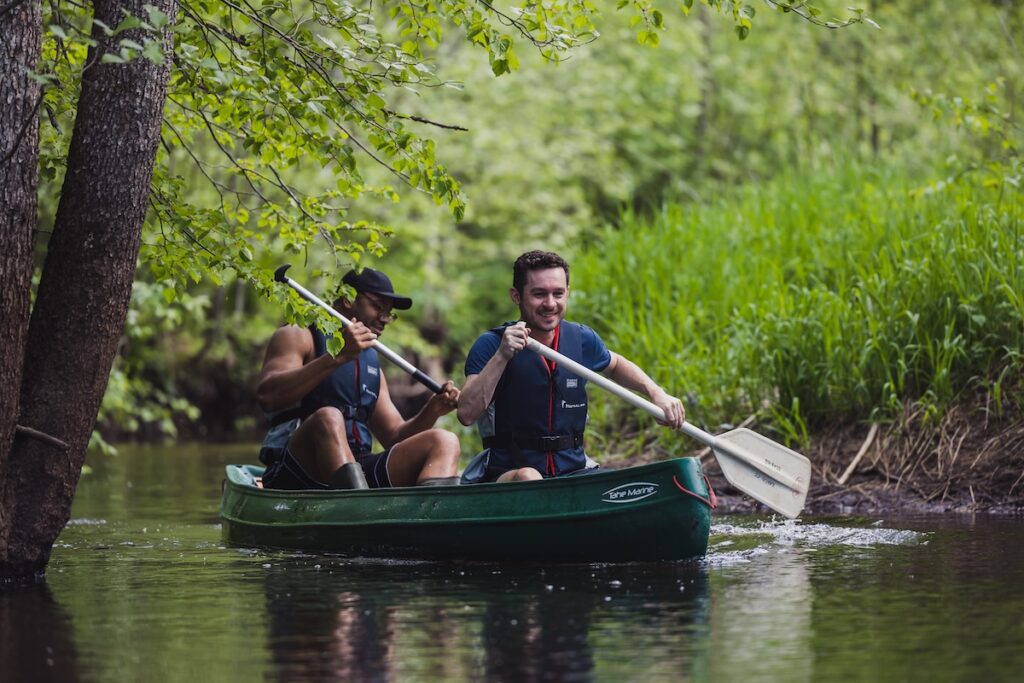
Estonia is home to many beautiful rivers flowing through stunning landscapes. Exploring them by canoe or kayak offers a completely different perspective. Travelling by water also brings you closer to birds and wildlife. With a bit of luck, you may even spot a magnificent kingfisher. Popular paddling destinations include the rivers of Soomaa and Lahemaa National Parks, as well as the Võhandu and Ahja Rivers in southern Estonia. Canoes and kayaks can be rented throughout the country.
Visit a summer market
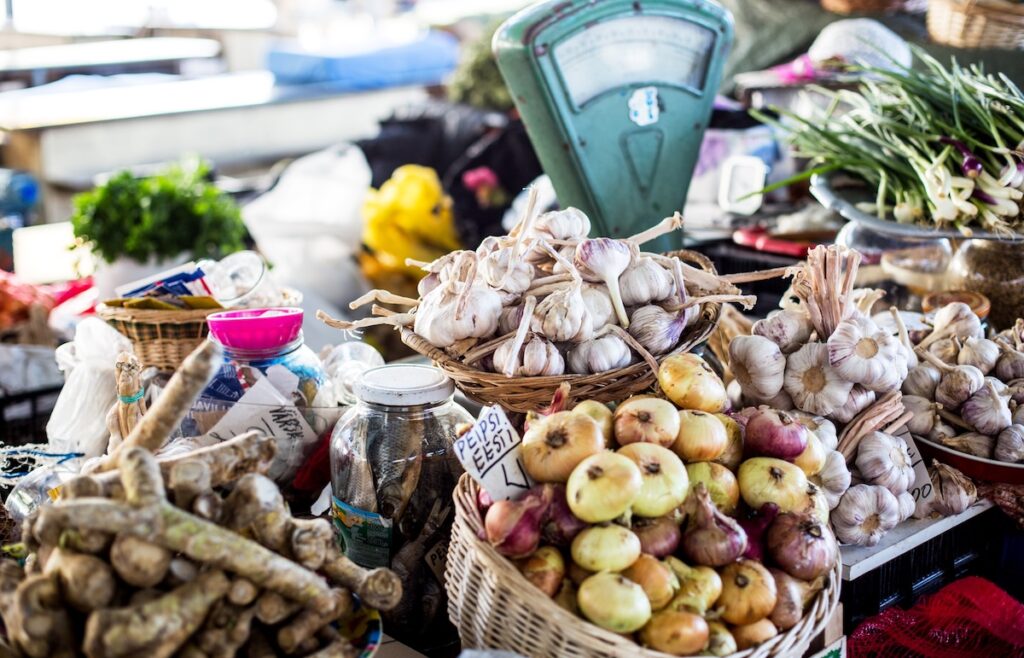
Estonian markets become a cornucopia of fresh produce in summer, with stalls overflowing with berries, fruit and mushrooms. Seasonal favourites include strawberries, raspberries, peas, new potatoes, pickled cucumbers and a wide variety of vegetables. In particularly warm summers, you may even find Estonian-grown watermelons. It is worth asking where the fruit and berries come from, as not everything on sale is locally grown. Besides markets, numerous summer fairs offer excellent local produce. Roadside signs also point visitors to farm shops and self-service produce stalls. In late summer, anyone travelling around Lake Peipus should stop at the roadside stands to buy the region’s famous onions, garlic and smoked fish.
Climb a lighthouse
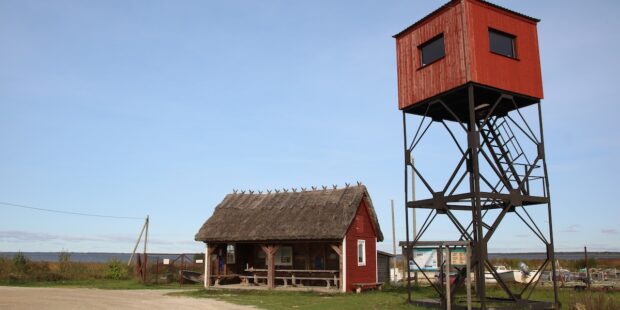
Estonia has 13 lighthouses open to visitors. The country’s easternmost lighthouse stands near the Russian border in Narva-Jõesuu, offering views over the almost ten-kilometre-long sandy beach and the Narva River, which forms the European Union’s eastern frontier. Hiiumaa is a dream destination for lighthouse enthusiasts, with its three impressive lighthouses: Kõpu, Ristna and Tahkuna. Majestic Kõpu is one of the world’s oldest continuously operating lighthouses. On Estonia’s smaller islands, visitors can also explore lighthouses on Kihnu, Vormsi and Osmussaar. Most charge a modest admission fee.
Cycle around the small islands
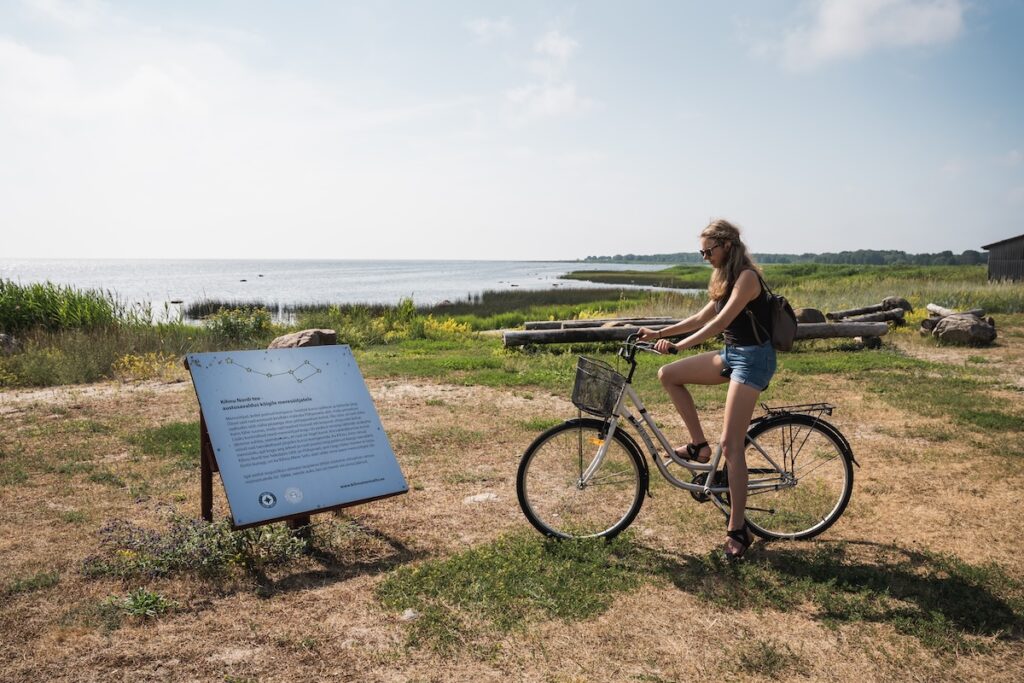
Kihnu, Vormsi, Prangli and Muhu make excellent and easy day-trip destinations, all perfect for exploring by bicycle. Bikes can usually be rented at the island ferry harbours, and Kihnu also offers electric bikes. Ferries provide easy access from mainland ports, and you can also bring your own bicycle on board. During summer the islands offer plenty of services, including restaurants and accommodation, making it well worth staying overnight and exploring at a relaxed pace.
Go camping
Camping is permitted at RMK, or Estonian State Forest Management Centre recreation sites, where both campsites and campfire facilities are free for everyone to use. Estonia has not faced the same level of budget cuts to outdoor recreation as some neighbouring countries, so firewood is still usually available. RMK campsites can become busy on summer weekends, so weekdays are often a better choice. Excellent camping locations include the beaches of Hiiumaa, the Nõva area and the northern shore of Lake Peipus, where you can sometimes pitch your tent right beside the beach. Campsites can be found on the RMK website or through the RMK Loodusega Koos mobile app.
Estonia’s public access rights are not quite as extensive as those in Finland. You may camp on private land for one night only if the area is neither fenced nor marked with signs, and provided you do not camp too close to homes. Camping or entering fenced or clearly marked private property is prohibited. In Estonian, eramaa and eravaldus both mean private land.
Support village shops
Small village shops are still found across much of Estonia and are well worth supporting during your travels. Stop for an ice cream or pick up supplies at one of these roadside stores. Despite their size, they often carry an astonishing range of products, from groceries to tights and household goods. Many also stock local specialties such as honey, baked goods and drinks. They are also great places to observe everyday village life.
Hike a nature trail
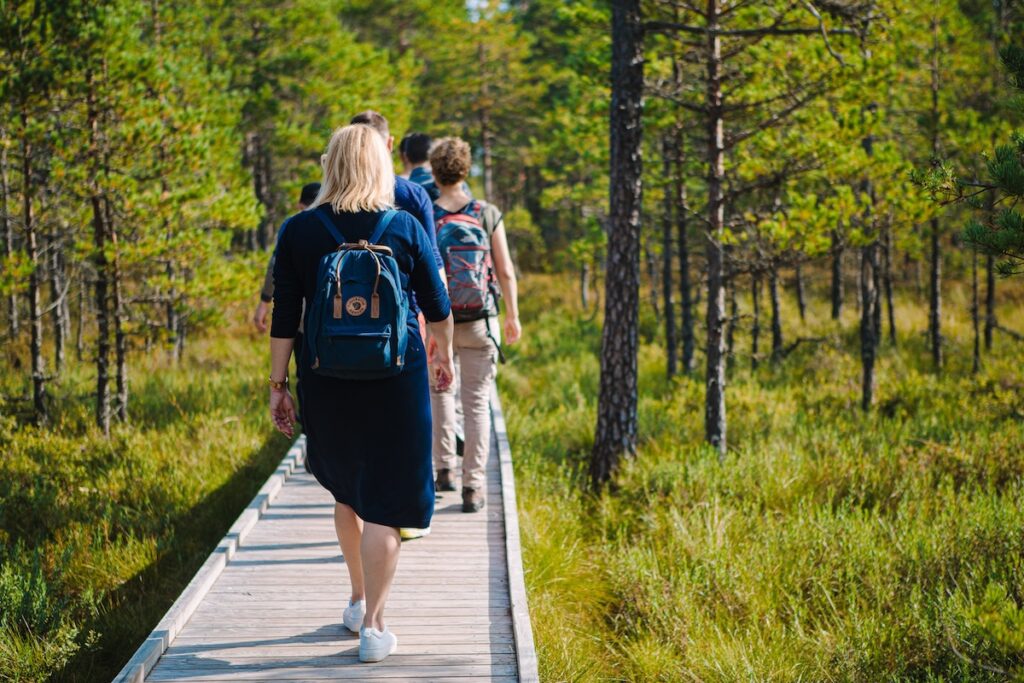
Estonia is a paradise for nature trails. Across the country, countless routes lead through bogs, forests, coastal meadows and other beautiful landscapes. The RMK website is an excellent resource for finding hiking trails and outdoor services. Superb bog landscapes and boardwalks can be found in Alutaguse and Soomaa National Parks.
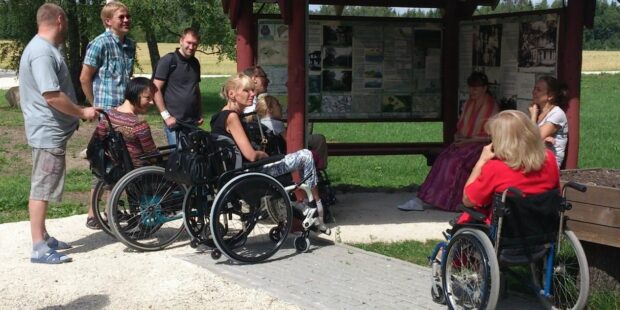
Many destinations also feature accessible trails suitable for wheelchairs and pushchairs.
For long-distance hikers, Estonia offers marked hiking routes crossing the entire country. RMK’s Matkatee trails run from the Gulf of Finland south to the Latvian border and from Matsalu in the west to Lake Peipus in the east. The Baltic Coastal Hiking Route follows Estonia’s coastline and continues into Latvia.
Watch birds
Summer is quieter for birdwatching because many birds are nesting and tend to stay hidden. Even so, birdwatching can be rewarding if you know where to go.
An easy and rewarding destination is Matsalu National Park, where observation towers offer excellent chances to see great egrets, grey herons, ducks, waders and white-tailed eagles throughout the summer. Visitors may also spot species that are rare in Finland, such as little terns, sandwich terns and pied avocets.
Birdwatching is also possible in Estonia’s small towns. Haapsalu and Kuressaare are particularly well known for their birdlife, so keep your eyes open while exploring on foot.
Admire waterfalls and coastal cliffs
Among Estonia’s most impressive natural attractions are its coastal limestone cliffs and waterfalls. One of the best places to admire the cliffs is Panga on Saaremaa. The country’s highest coastal cliffs are found in eastern Estonia, where the Ontika Cliff rises to more than 50 metres above sea level.
From Tallinn, an easy day trip leads west towards Paldiski and the nearby Pakri Cliff.
Waterfalls are another favourite summer attraction. Near Tallinn there are two particularly beautiful waterfalls: Keila Waterfall to the west and Jägala Waterfall to the east, both ideal for day trips. Estonia’s highest waterfall, Valaste, lies about a two-hour drive east of Tallinn. At more than 30 metres high, visitors can descend a staircase through the forest to the foot of the falls and the scenic seashore below.
Useful nature websites
To learn more about this and similar topics