Industrial Edge and Mediterranean Flavours
Text and photos Timo Huttunen
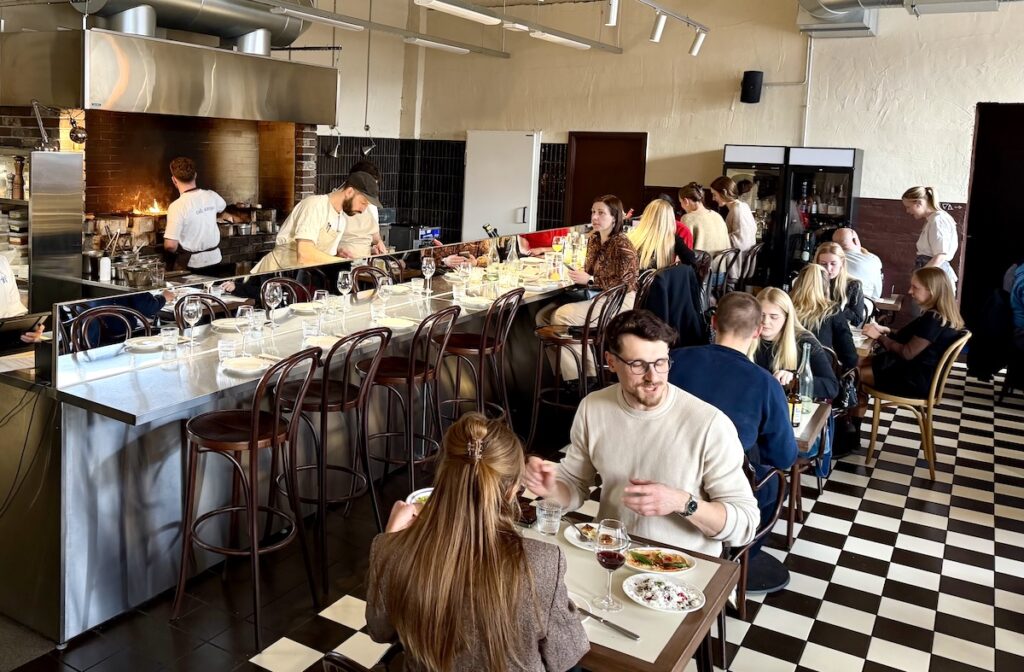 In the restaurant’s open kitchen, guests can watch the chefs at work.
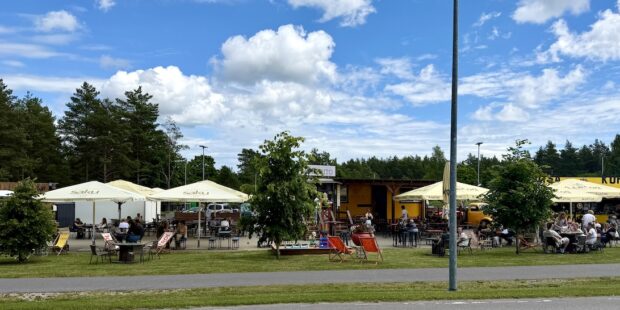
Located in Tallinn’s trendy Telliskivi district, right next to the Balti Jaam railway station and market, Café Tempo is a restaurant that does not shout for attention. From the outside, the place is not especially impressive. Its location, however, is one of the liveliest in the city. The surrounding area buzzes with street art, small boutiques, and constant urban movement.
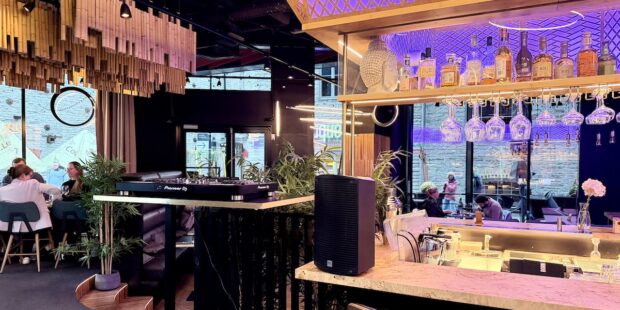
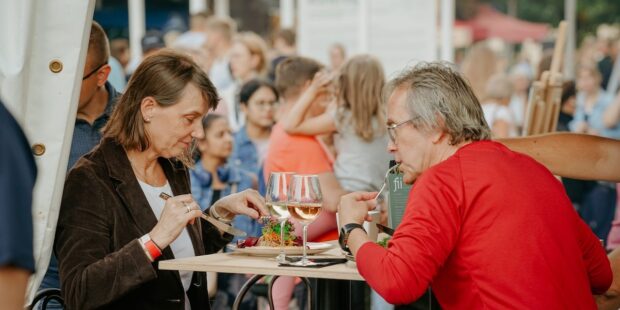
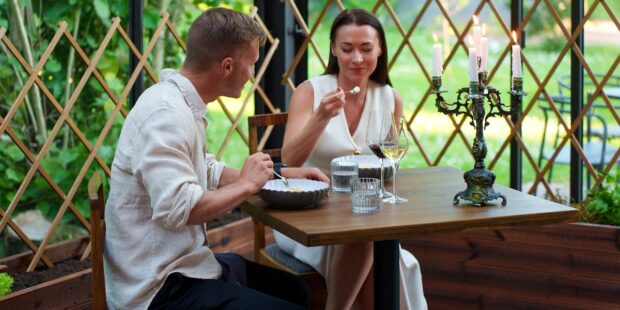
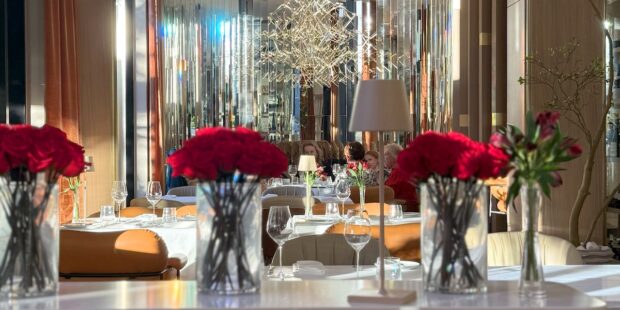
Inside the restaurant, the atmosphere continues along the same lines. Built inside a former warehouse building, the restaurant combines a rugged industrial look with minimalist interior design in a way that feels both carefully considered and accidental at the same time. Subdued lighting and the open layout make the space feel airy. The atmosphere is youthful. Conversations can be heard everywhere, but the noise never becomes distracting. Café Tempo is a place where people can laugh, socialise, share dishes, and spend the evening without unnecessary formality.
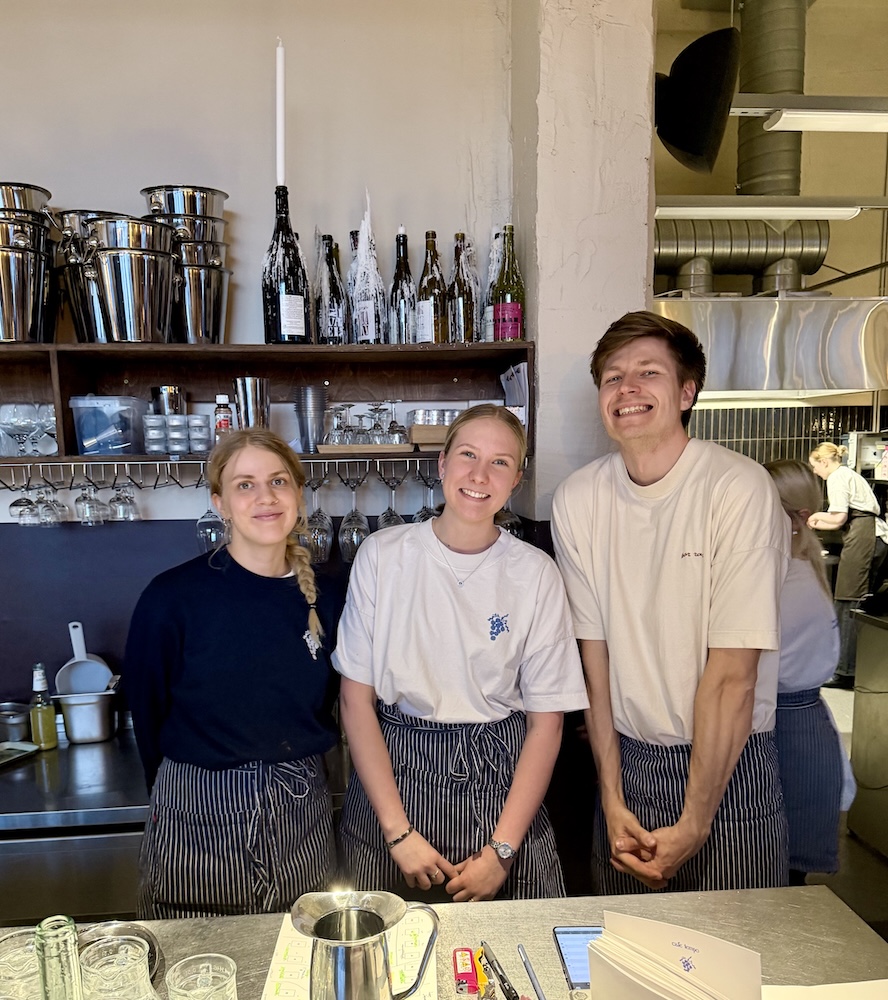
Service is one of the restaurant’s strengths. It is straightforward, friendly, and genuinely attentive. The staff know how to explain the dishes and recommend combinations, while still giving customers space. This kind of relaxed professionalism suits the spirit of the place perfectly.
Most of the customers are young adults. “There are around 80 seats in the main dining hall, but we can arrange another twenty seats on the café side. About half of our customers are tourists. Most of them come from Finland,” says waitress Ragne.
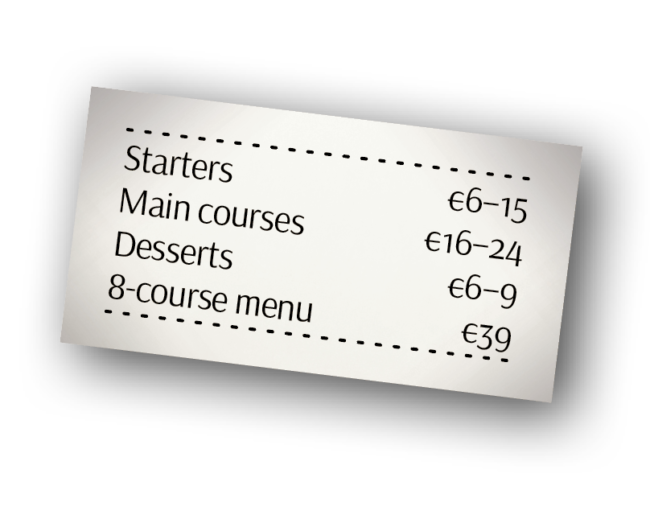
The kitchen draws on eastern Mediterranean flavours and, above all, the idea of sharing. The eight-course menu brings a variety of dishes to the table, all intended to be enjoyed together. It is definitely worth the price.
The charcoal grill gives the dishes a smokiness and depth that sets them apart from many similar meals. The open kitchen is large, and there are enough staff working there as well. “Our dishes have been influenced by the cuisines of Greece, Turkey, and Israel,” Ragne continues. The restaurant’s fusion cuisine also favours flavours from southeastern Europe and the Middle East.
Of the two breads on offer, one recipe comes from Yemeni Jews. The bread is called malawash. The other bread is called barbari, and its recipe comes from Iran. A spicy pepper spread was served with the bread.
Bread plays an important role in the meal. Fresh products from the bakery operating in the same space tie the whole experience together. Even a simple dish is elevated when it is built on genuinely good bread. Alongside the bread and spread, the table was first served a skewer with perfectly cooked octopus, anchovies, and olives.
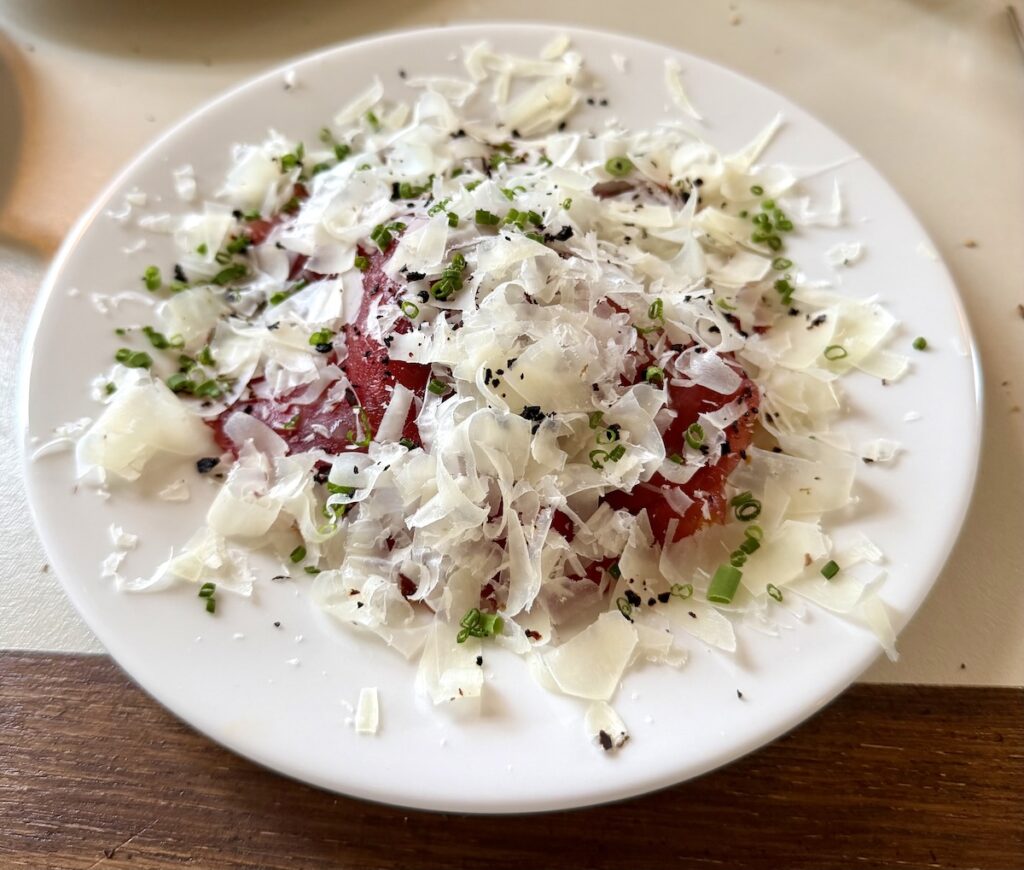
The beef carpaccio with truffle cheese and seasoned sauce was excellent. The roasted cabbage with a cheese topping is Café Tempo’s most popular individual dish, and for good reason. Both cheeses, incidentally, are made in Estonia.
The beef sirloin was an extremely successful dish, with medium-cooked slices of fillet paired with crispy fried potatoes and finished with béarnaise sauce. Two desserts completed the dinner: soft ice cream flavoured with olive oil, and a saffron cake served with lemony pistachio ice cream.
Every dish achieved a fine harmony of flavours. At the same time, the flavours of the different dishes were clearly distinct from one another. Those expecting a traditional three-course dinner or a clearly defined main course may find themselves missing that structure. Tempo is more of an experience than a classic dinner. It may divide opinions.
Still, the overall concept works. Café Tempo is not trying to be everything for everyone.
Opened in August 2025, the restaurant has become hugely popular, so it is always worth making a table reservation in advance at Café Tempo.
Café Tempo, Reisijate tn 62/3, Tallinn.
To learn more about this and similar topicsBread Café Tempo customer service Mediterranean cuisine Michelin Guide 2026 restaurant review Tallinn