The Many Tricks of Smugglers at the Police Museum
Text Timo Raussi

Photos Estonian Police Museum / Kaspar Pokk and Monika Kiop
It is often said that forbidden fruit is the sweetest. This saying holds true worldwide, and is especially familiar to those engaged in the age-old vice of smuggling illegal and counterfeit goods—as well as to the police and customs officers working to uncover them.
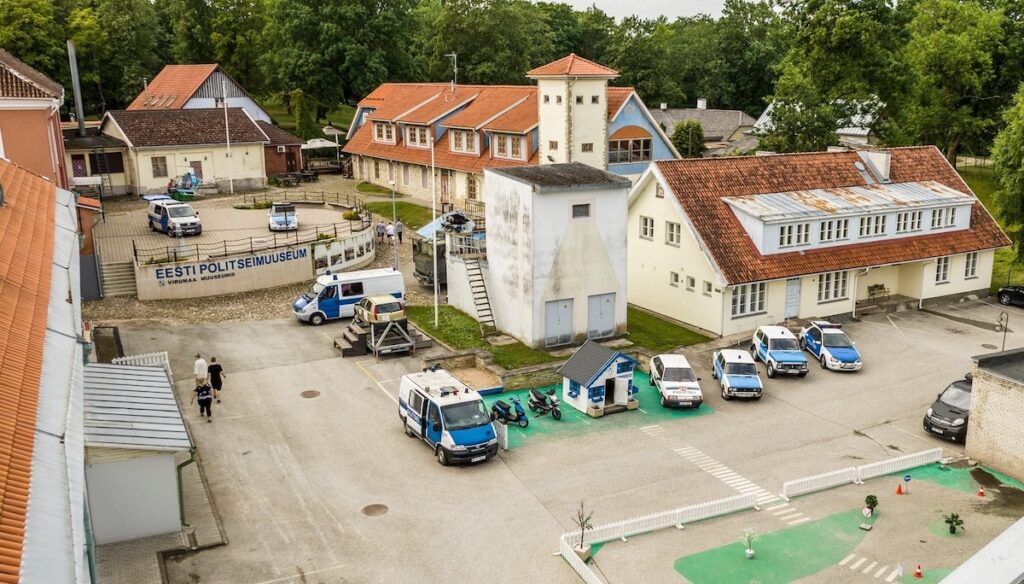
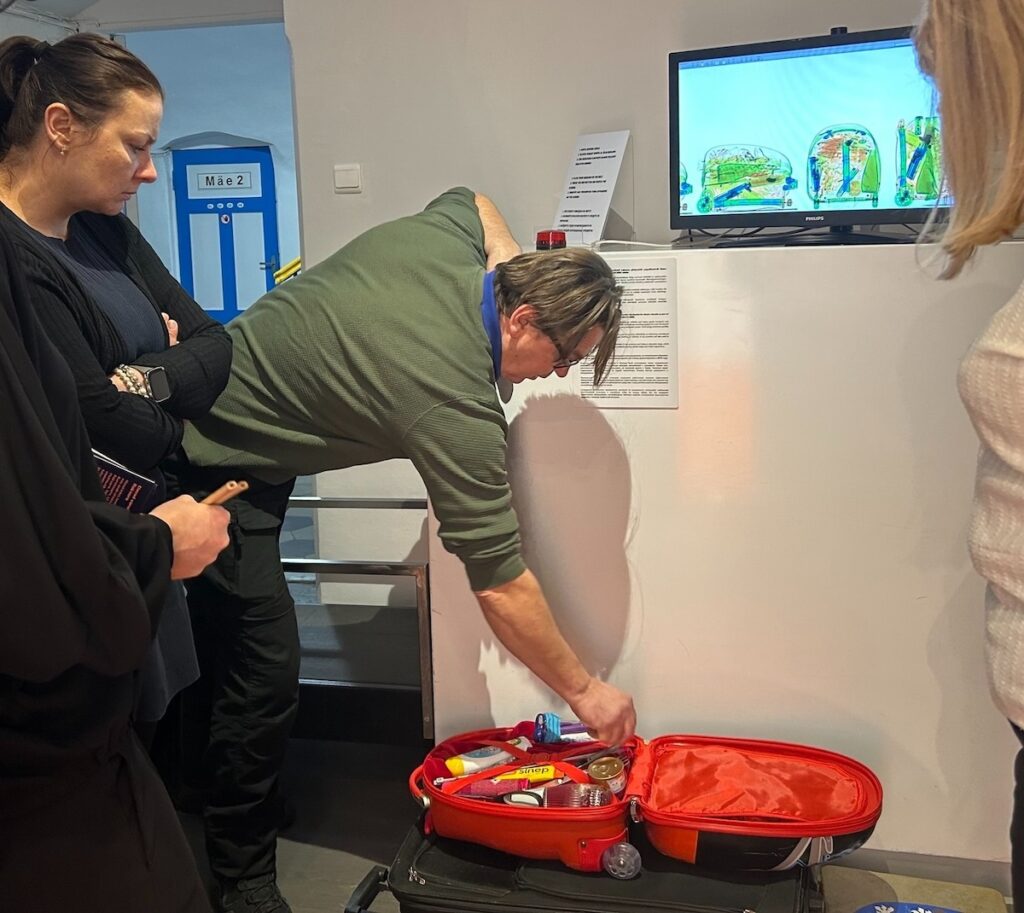
At the Estonian Police Museum in Rakvere, alongside various vehicles, equipment, and even a tactical shooting range that visitors can try, there is an exhibition titled “Tobacco and Smuggling—Seizure and Punishment”. As part of the exhibition, visitors can test their skills as airport security officers by identifying prohibited items hidden inside seemingly harmless suitcases on an X-ray screen. Spotting something like a fork classified as a bladed object may seem easy, but even detecting a weapon is not always as simple as one might think for the untrained eye.
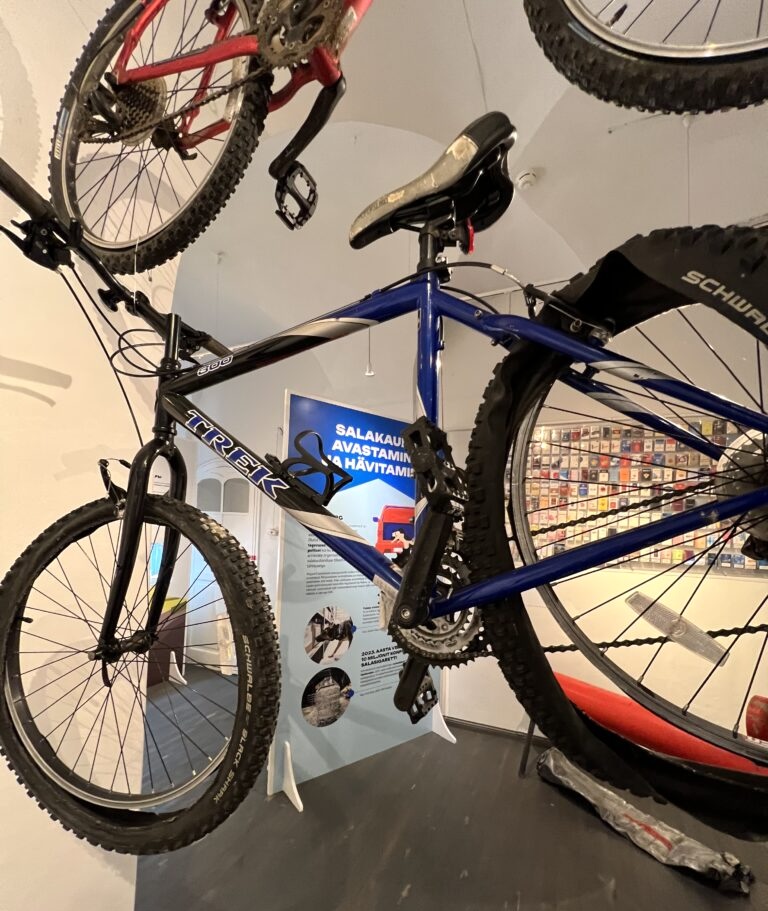
Through various objects, the exhibition introduces the many ways in which illegal cigarette packs and cartons have been smuggled into Estonia, particularly from across the eastern border. On display are, for example, bicycles whose tyres were used by people from Narva to hide contraband cigarettes when returning from day trips across the border. Cigarettes have also been flown over the Narva River using drones confiscated from repeat offenders, and even transported by water using a homemade “submarine”. More serious crimes are also represented, such as a surfboard that was used to conceal a large quantity of narcotics.
At the same time, counterfeit goods have long flowed into the country alongside genuine products. Bottles of alcohol containing toxic methanol and cigarettes made from substances even more harmful than tobacco pose serious risks to users while generating illegal income for sellers.
In 2022, the potential sales value of cigarettes and similar products seized by Estonian customs amounted to 2.39 million euros. The scale of smuggling, as well as increasingly effective cross-border cooperation in monitoring transit routes, is reflected in the fact that in just the first three months of 2023, more than a dozen northbound shipments were stopped on the Via Baltica road between Latvia and Pärnu. These included around 5000 litres of alcohol, three million illicit cigarettes, 120 kilograms of amphetamines, and 24 kilograms of marijuana. By 2025, Estonian customs had already seized 37 million illegal cigarettes.
In addition to the display of objects, the Police Museum aims to highlight the consequences of criminal activity. One of the exhibition’s visual elements is a prison cell door, reminding especially younger visitors of where breaking the law can lead. “We carry out preventive work and hope the exhibition shows that it is not wise to transport illegal cigarettes across the border—let alone smoke them,” says museum director Andrus Eesmaa.
The Estonian Police Museum is open Tuesday to Sunday from 10:00 to 17:00, and for an extra hour during July and August. More information is available here.
To learn more about this and similar topicscustoms events family holiday for children Interactive police Rakvere smuggling