A Hundred-Year Old Man’s Ice Cream
Text Ville Hytönen
Photos Balbiino Ice Cream Museum archive
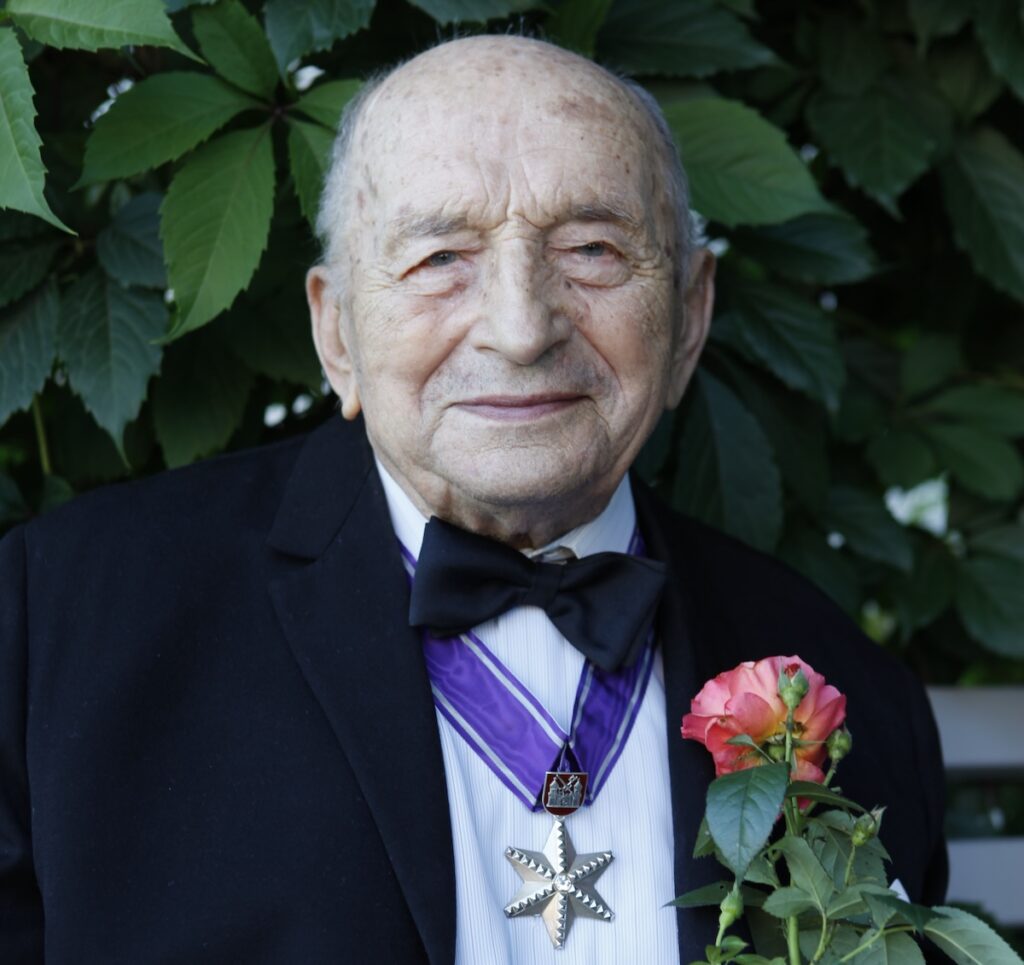 Evald Rooma on his 100th birthday. Estonian Ice Cream Day is celebrated on his birthday, 6 July.

Ville Hytönen’s column
Ville Hytönen is the Chair of the Finnish Writers Union, and lives in Suurupi, Harku.
In the cold of winter, summer and ice cream may feel like distant things, but through ice cream it is possible to distil something essential about Estonian entrepreneurship. As a former entrepreneur, I often think of a photograph I once saw from the Melliste summer fair. Behind a small handcart sat a happy, hundred-year old man selling ice cream.
The photo is from 2011, and the man’s name is Evald Rooma, but he was better known as Uncle Eskimo—a man whose life’s work symbolised the entire Estonian ice cream industry.
Onu means uncle, and Eskimo is probably no longer an appropriate term, but there was nothing Inuit or Yupik about the man. In the 1930s, Evald was a young man from Tartu searching for direction in life. Being the captain of a riverboat on the Emajõgi River was pleasant enough, but it did not quite fulfil all his needs.
Studying did not appeal to him, nor did the career as a professional driver he began at the age of sixteen, but there was something attractive about business. His aunt’s husband, who had succeeded with his own shop, inspired the young man, and Evald began to consider how best to use the man’s large ice cellar. Perhaps ice cream could be made there?
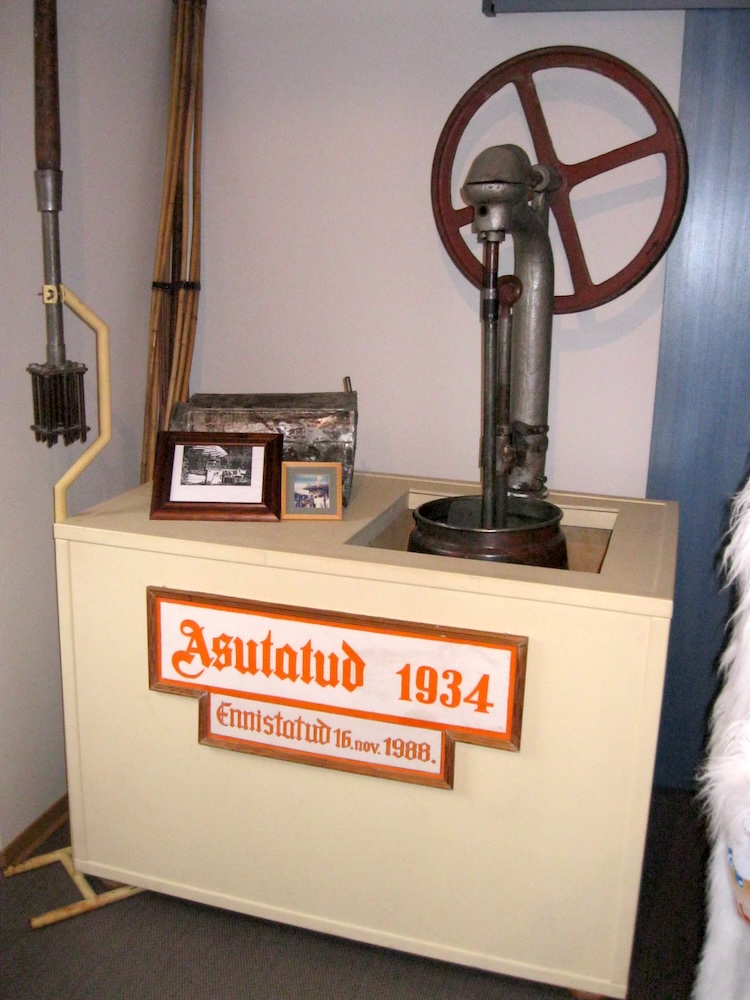
In 1934, Evald bought a small Husqvarna ice cream machine, designed the refrigeration units needed for transport himself, and founded the Eskimo ice cream factory in his home town. His aunt helped prepare the sweet mixture of cream, eggs, and sugar according to a recipe.
Once the right proportions were found, the young man headed to the Tartu Song Festival to sell his new summer product. The ice cream was an immediate success. The young man became an ice cream master, visible at every possible fair and market selling his delicacy.
Evald inspired many others who dreamed of starting their own businesses. New ventures emerged, boldly ambitious projects, some of which grew and some collapsed, much like start-ups today.
Eskimo, however, did rather well until the war broke out. Even then, ice cream sold well, but in 1944, after the third occupation of Estonia, business came to a halt. The Soviets did not look kindly on an eager young bourgeois.
Estonia had risen as a nation and created a favourable environment for business, but in front of the red commissars nothing worked anymore. Still, there was use for Uncle Eskimo in the new society.
His workplace first changed to the Red Star artel, a kind of cooperative of food artisans, then to the Tallinn bakery, and later to Kalev making chocolate. Evald developed packaging production systems and continued designing ice cream recipes. He also organised the production of kissel powder and pickled horseradish, and launched waffle production at the bakery. Despite his expertise in the food industry, Uncle Eskimo at times ended up working as a taxi driver and even as a car mechanic.
When the Singing Revolution began, people started longing for freedom—and ice cream. Soviet ice cream was pathetic, so as soon as circumstances allowed, Evald was once again busy with his own small business. In 1987, at the age of 76, he re-established his old ice cream company, Eskimo. Vanilla, banana, and raspberry cream ice creams were created, and they are still produced today.
Because ice cream needs a companion, Eskimo also began producing wafers. A true lover of treats, Evald also added mustard to his range. Mustard ice cream, however, was never created.
In 2004, it was finally time to retire. Eskimo ceased operations, and Evald donated the company’s historical equipment to the Balbiino Ice Cream Museum. He had become a symbol of Estonian perseverance and entrepreneurship, where doing things yourself and self-reliance were central.
Even today, you can sit down at Uncle Eskimo’s ice cream bar in a shopping centre in Tartu. It was established shortly after his hundredth birthday, and the City of Tartu installed a commemorative bench in front of his modest home in the Annelinn district.
Uncle Eskimo moved on to the heavenly ice cream factories at the age of 105 in early summer 2017. Estonian Ice Cream Day is celebrated on his birthday, 6 July. That is still some time away in the middle of winter, but if Uncle Eskimo could wait for the crumbling of Soviet rule for the sake of ice cream, we can wait for summer, too.
To learn more about this and similar topicsBalbiino Estonian ice cream ice cream man Ville Hytönen