Pop Culture as Stunning Artistic Portraits
Text Timo Raussi

Photo Fotografiska / Martin Kosseson
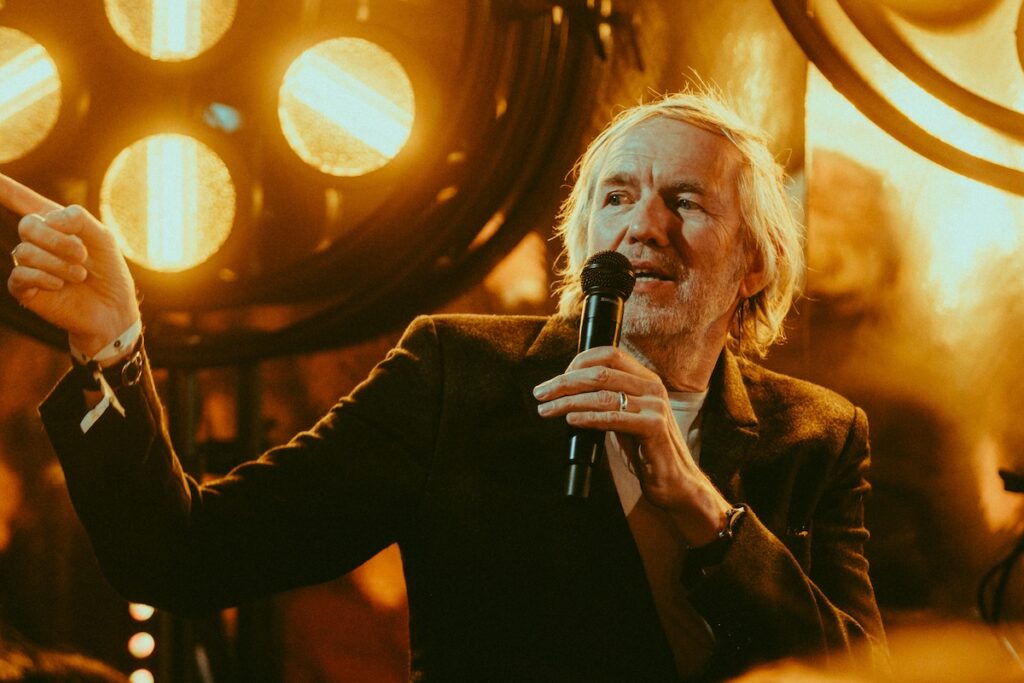
A career retrospective of Anton Corbijn, highly esteemed even as the court photographer of star artists, is on display at Tallinn’s Fotografiska throughout late winter and spring. It features over 150 works covering the career of the world-renowned photographer and video artist, born in the Netherlands, long based in London and recently returned to Amsterdam, whose career began in the 1970s.
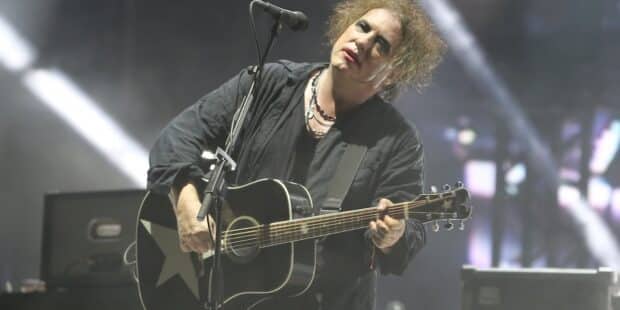
Over five decades, Corbijn has used his strong visual style to capture countless influential figures in pop culture, including actors and models, but especially artists and bands such as Nirvana, U2, Prince, Annie Lennox, and Depeche Mode. One of his own favourite images in the exhibition, however, is a very ordinary and unstaged shot of an already ageing David Gilmour, the guitarist-singer of Pink Floyd, the musical idol of Corbijn’s own youth.
According to Corbijn, who turned 70 last May, his mostly black-and-white visual storytelling began partly by chance. As a young man, he often didn’t have the money to take colour negatives to the lab, so he had to settle for black-and-white photography. Later the choice became deliberate, as Corbijn believes that black-and-white conveys the subject’s essence better to viewers who otherwise observe the world in colour.
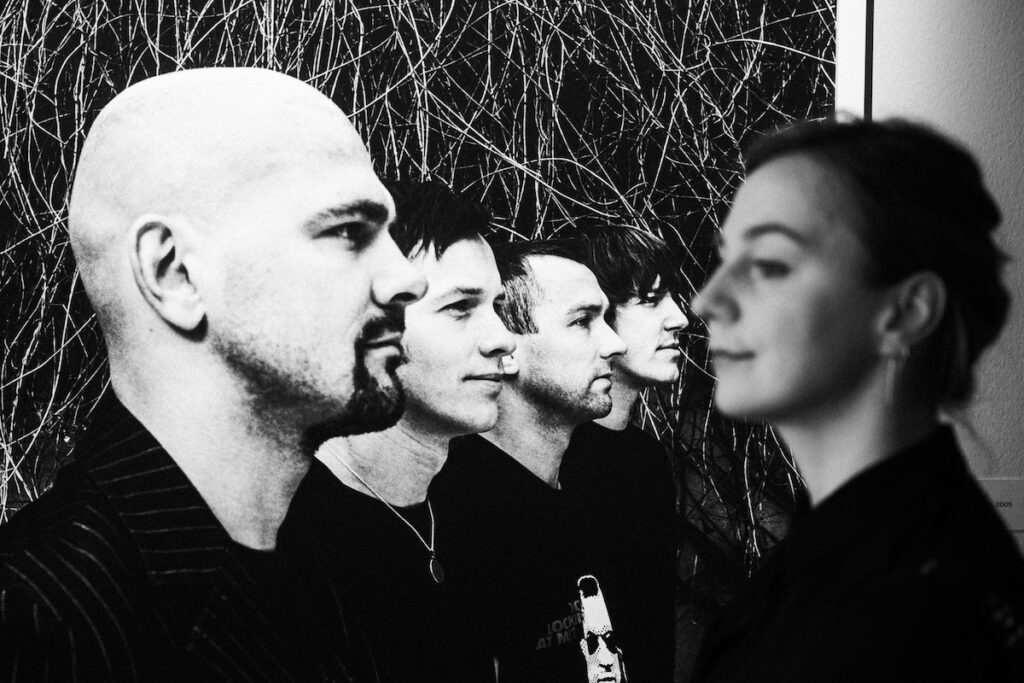
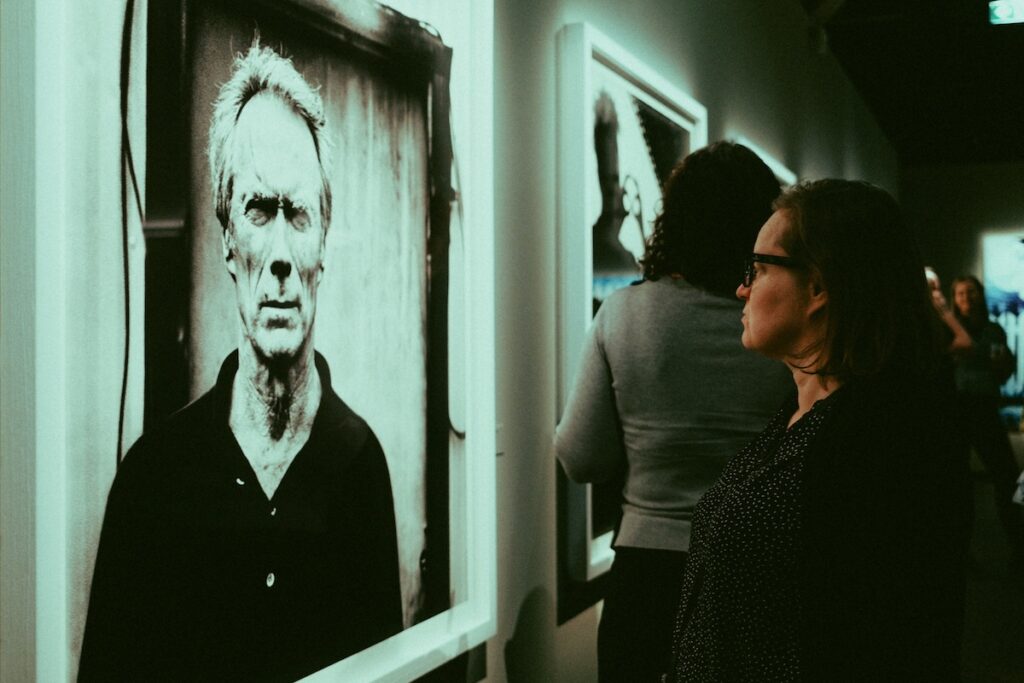
He also does not photograph his subjects in a studio, but meets them wherever and whenever possible—sometimes with a very tight schedule. “Of course it’s a challenge, but on the other hand this way I always get different and at times very picturesque backgrounds in the shots,” the star photographer says. In Corbijn’s view, what matters is not so much whether a photograph is technically high-quality: after all, with today’s smartphone cameras it is easy to snap a huge number of pictures that look quite good. “The most important question is what the image manages to convey in terms of content.”
Alongside photography, Corbijn has directed more than 80 music videos and 11 films of varying length since 1983. A large visual music space has therefore been created at Fotografiska, where exhibition visitors can immerse themselves in music videos that have inspired several generations. The exhibition is also accompanied by a series of associated events called “Corbijn Sessions”, which includes film screenings as well as special concerts organised in connection with Tallinn Music Week and Jazzkaar.
More information about the exhibition, on display until 30 April, and the Corbijn Sessions events can be read here. The opinions and comments by Corbijn mentioned in this article are quoted from an interview conducted by Estonia’s Kanal2 television channel during the exhibition opening, which can be viewed here (timestamp 0:41:00–0:49:05).
To learn more about this and similar topicsAnton Corbijn events Exhibition Fotografiska music music video Photography Tallinn