Estonian Rye Celebrated During Bread Week
Text Susanna Poikela
Photos Office of the President of Republic of Estonia
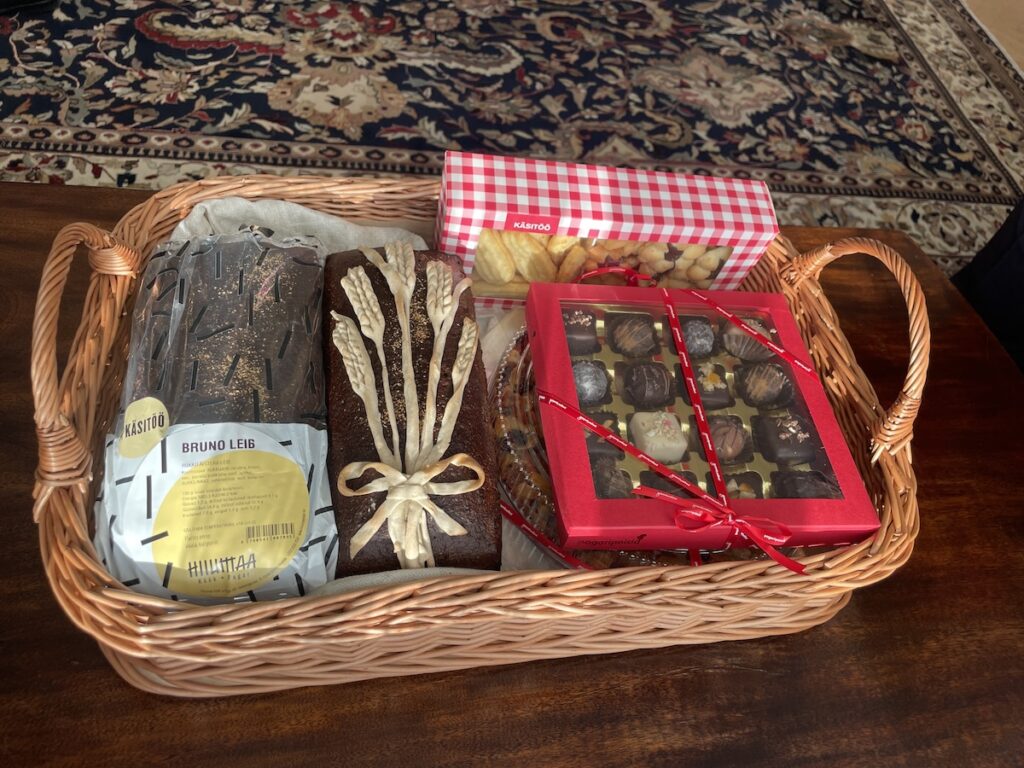
From 6 to 12 October, Estonia celebrates Bread Week, which highlights rye bread, a cornerstone of the Estonian dining table. During this week, events are held across the country to explore bread-making traditions and the significance of bread in Estonian culture.
Bread Week culminates in the traditional harvest festival, where gratitude is expressed for the harvest and food, and connections to the land and ancestral traditions are remembered.
This year, there is no specific theme, so kindergartens, schools, and communities organise their own bread-themed events. For example, students from the Tartu Vocational College’s food sector will present bread traditions from different countries on 7–8 October in the dining hall of the Kopli C building at the Tartu Vocational School. On Tuesday, 7 October, the students will sell bread, pastries, and meat products in the lobby of the Kopli A building.
Estonian rye bread is characterised by dough containing at least 90% rye flour, prepared using a sourdough starter, and distinguished by its characteristic sweet and sour flavour, moist bread, and dense crust. It is a food with deep historical and cultural significance. Rye bread is one of Estonia’s most important national symbols. Uno Kaldmäe, Chairman of the Estonian Bread Association, reminds us that rye bread is much more than an everyday food product:
“It is part of our identity, a thank you, and respect towards the land and labour. Jätku leiba—may the bread continue.”
To learn more about this and similar topicsBread Week Estonian Bread Estonian Cuisine events Food Food Culture Tartu Traditions