Šašlõkk Taste Test
Text Mikko Savikko
Photos Andrei Chertkov
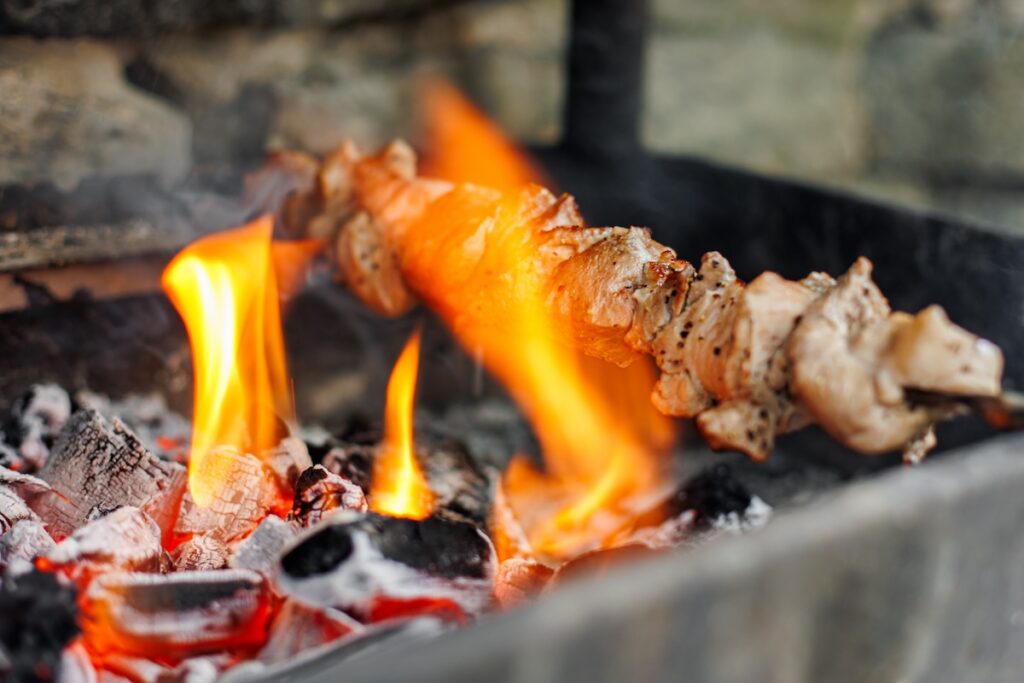 A traditional charcoal grill is a simple box model.
The most popular Estonian barbecue dish is šašlõkk—a word that contains two letters not even found in the English alphabet, or the Finnish. In Finnish for example, it’s commonly called saslikki, or a meat skewer in English. It was introduced to Estonia from the Caucasus during Soviet times, mainly in the 1980s. Even today, Armenian cooks are considered masters of the craft.
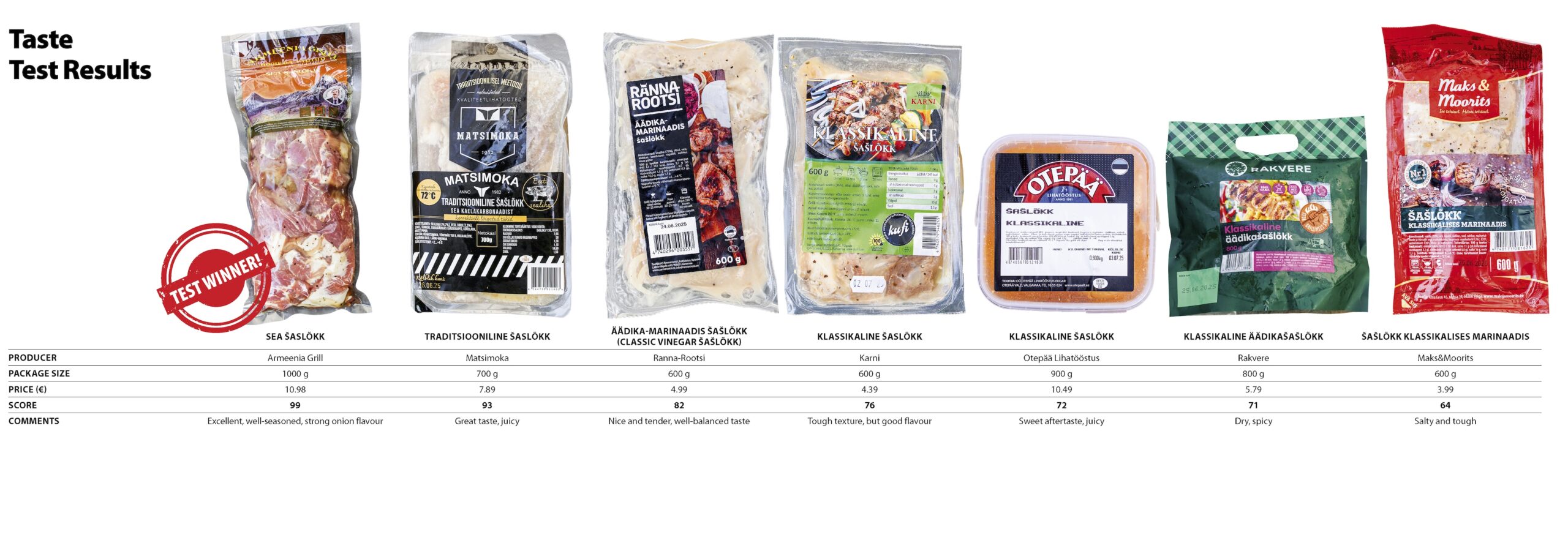
During the late Soviet years, when almost everything was in short supply, the most common marinade was made from an onion–vinegar–water base. The vinegar used in traditional recipes is 30% strong—something to keep in mind when following Estonian recipes. Other common ingredients included garlic, sugar, bay leaves, and pepper. The most commonly used cut was, and still is, pork neck, or sea kaelakarbonaad in Estonian—so you know what to look for—which results in a juicier grilled product compared to, say, loin or ham. In our test, the lean product from Rakvere received fewer points for this reason.
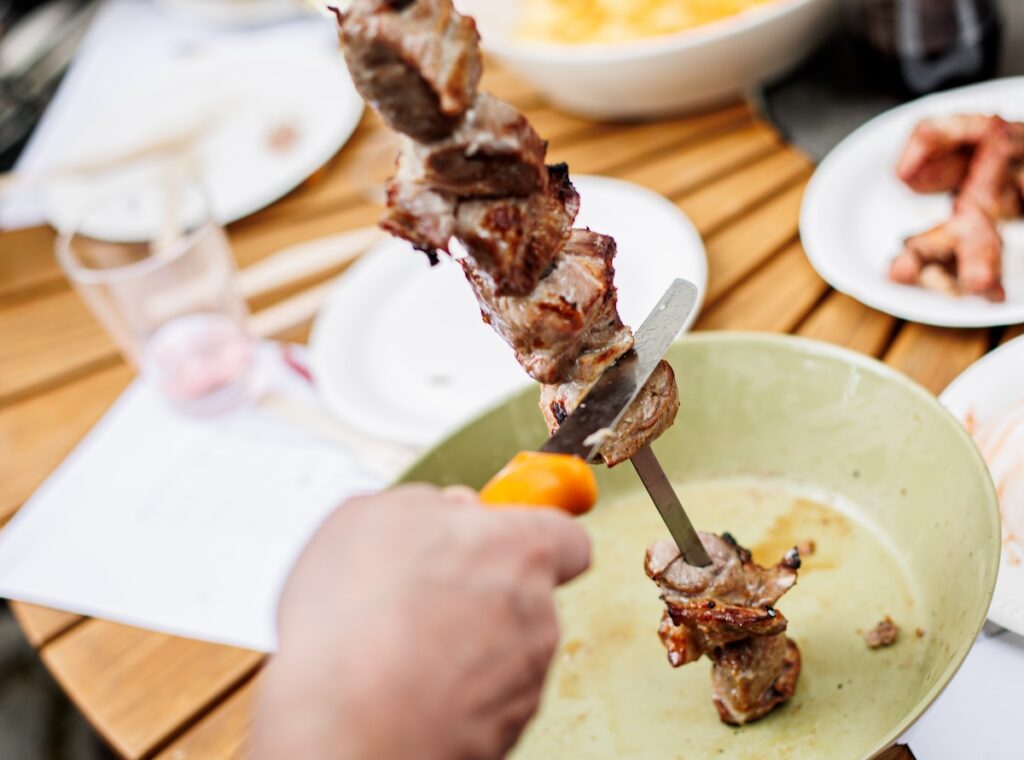
Grill skewers are usually over 50 cm long and flat, which keeps the meat from spinning while cooking. Onion rings from the marinade are often added to the skewer as well.
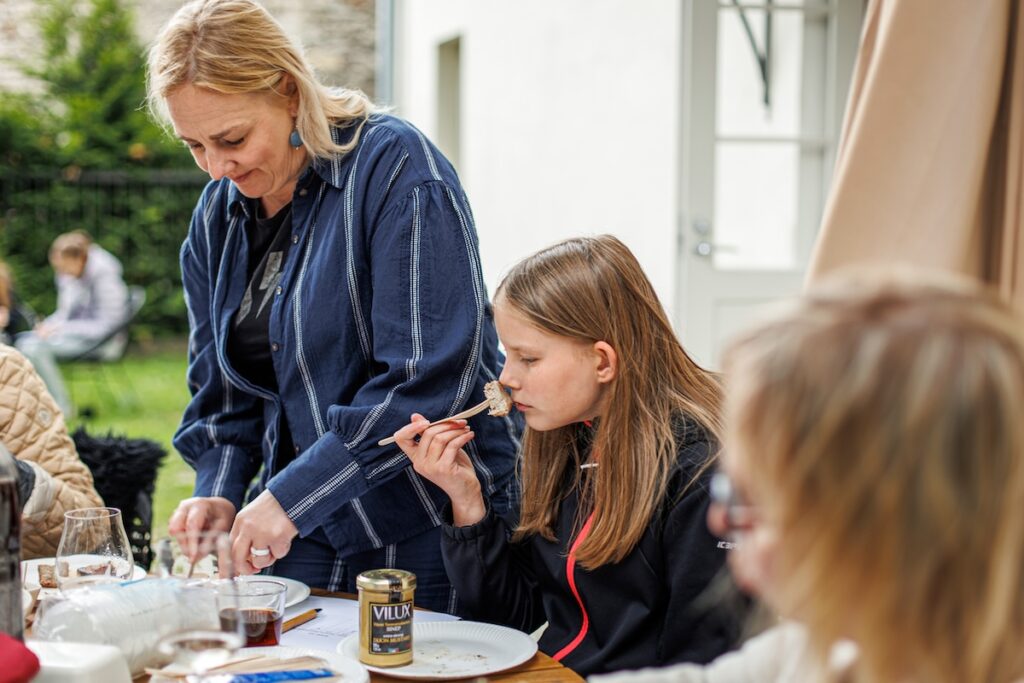
For The Baltic Guide’s test, we selected all the traditional šašlõkk products sold at Tallinn’s Prisma supermarket—a total of seven varieties. Around fifty other pre-marinated meats were also available on the shelves, including turkey options.
Eight testers participated, and the clear winner—chosen almost unanimously—was the “Sea šašlõkk” made by Armeenia Grill in the town of Keila. Tradition speaks volumes.
To learn more about this and similar topicsEstonian Cuisine grilling meat skewer summer food šašlõkk