In the News
Photos Markus Spiske / Unsplash, Andrei Chertkov
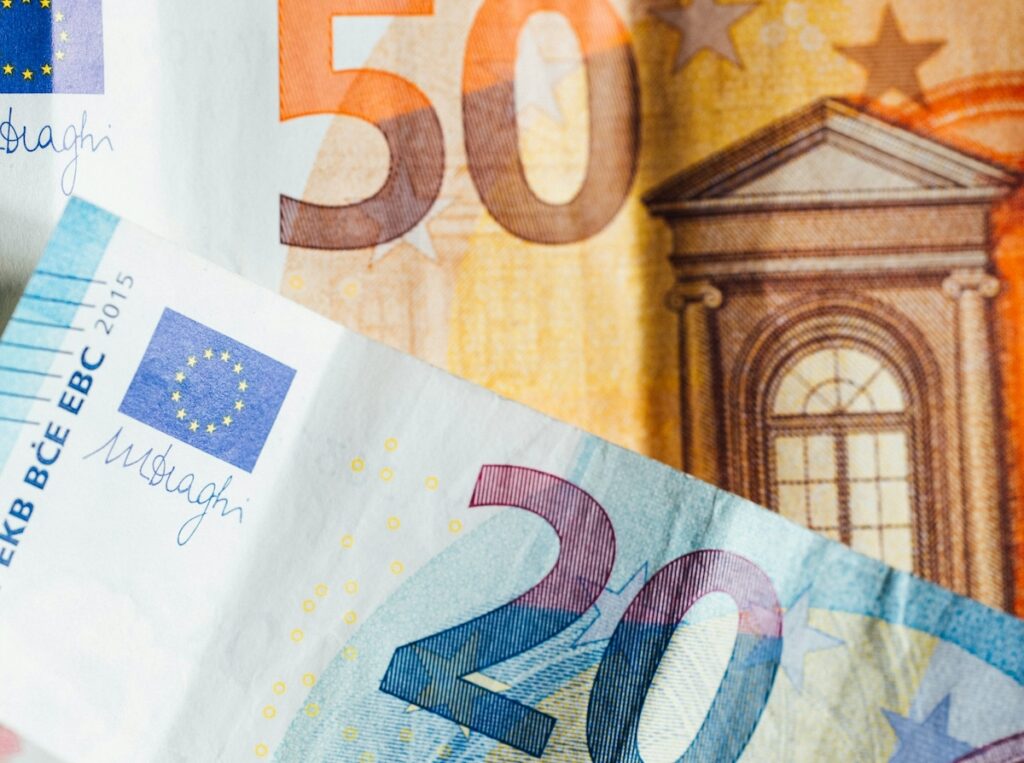
Estonia’s public debt is the lowest in Europe
According to Eurostat, Estonia’s public-sector debt is 23.2% relative to its gross domestic product. In the European Union, the average debt ratio is 81.9%. The most heavily indebted country is Italy, where public debt stands at 151.2% of GDP.
In Finland, the debt ratio has grown rapidly in recent years, and the country is currently the fastest-growing debtor in Europe. Finland’s debt ratio is 88.4%. Although Estonia is in a good position compared with many other countries, there is active public debate about government spending and debt. Right now, the economy is being strained by rapidly rising inflation and major investments in national defence.
Estonia has pledged to raise its defence spending to 5% of GDP on an accelerated timeline. To reach this goal, taxes have been raised, and the government has warned citizens of leaner times ahead.
Russia tests Estonia’s defences
In September, three Russian MiG-31 fighter jets entered Estonian airspace without permission. The incursion lasted a full 12 minutes. Finnish fighter jets were scrambled and monitored the situation closely, but did not enter Estonian airspace because Finland’s current rules prohibit it.
The chairman of Estonia’s Defence Committee, Kalev Stoicescu, said in an interview with Helsingin Sanomat that he hopes Finland will change its rules and send its fighters into Estonian airspace in future high-risk situations. At present, Estonia’s airspace is monitored on a rotational basis by aircraft from various NATO countries. Estonia has no fighter aircraft of its own.
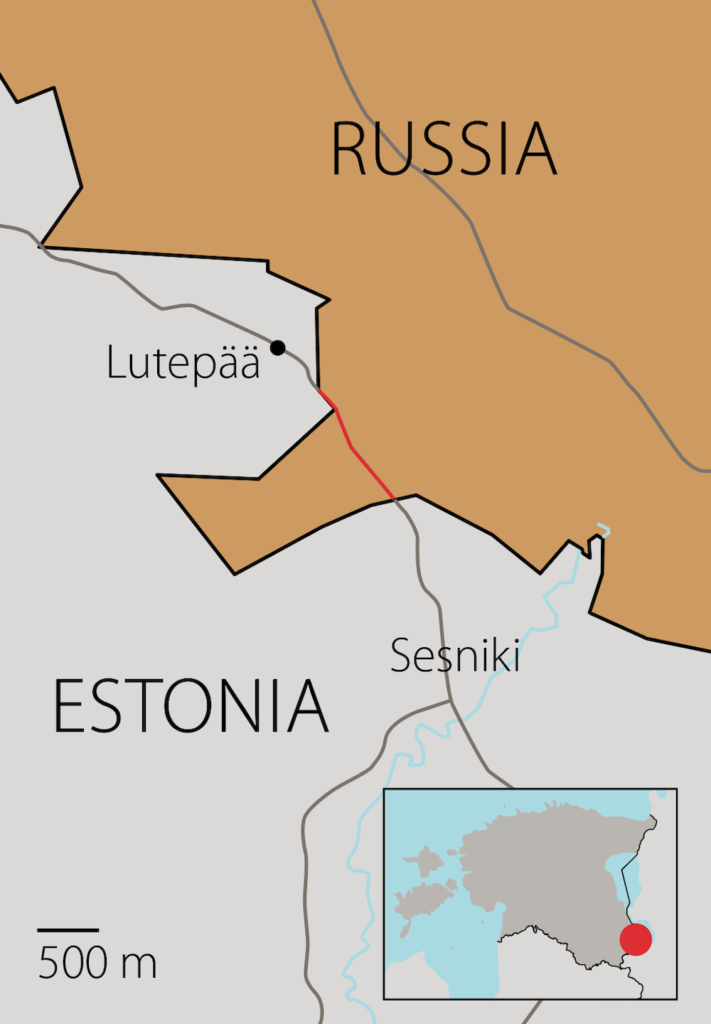
The most recent provocation occurred in October, when about ten Russian soldiers were seen patrolling the area known as “Saatse Boot”—an 800-meter stretch of road on Russian territory that lies along the Estonian–Russian border. The road connects the Estonian villages of Lutepää and Sesniki.
Estonians were allowed to drive along this road without border checks or a visa, as long as they did not leave the road or stop. After Russian soldiers appeared, the Estonian Border Guard closed the road. For security reasons, the Estonian government decided to make the closure permanent, and announced that a new road would be built to bypass the area.
Car tax heats tempers
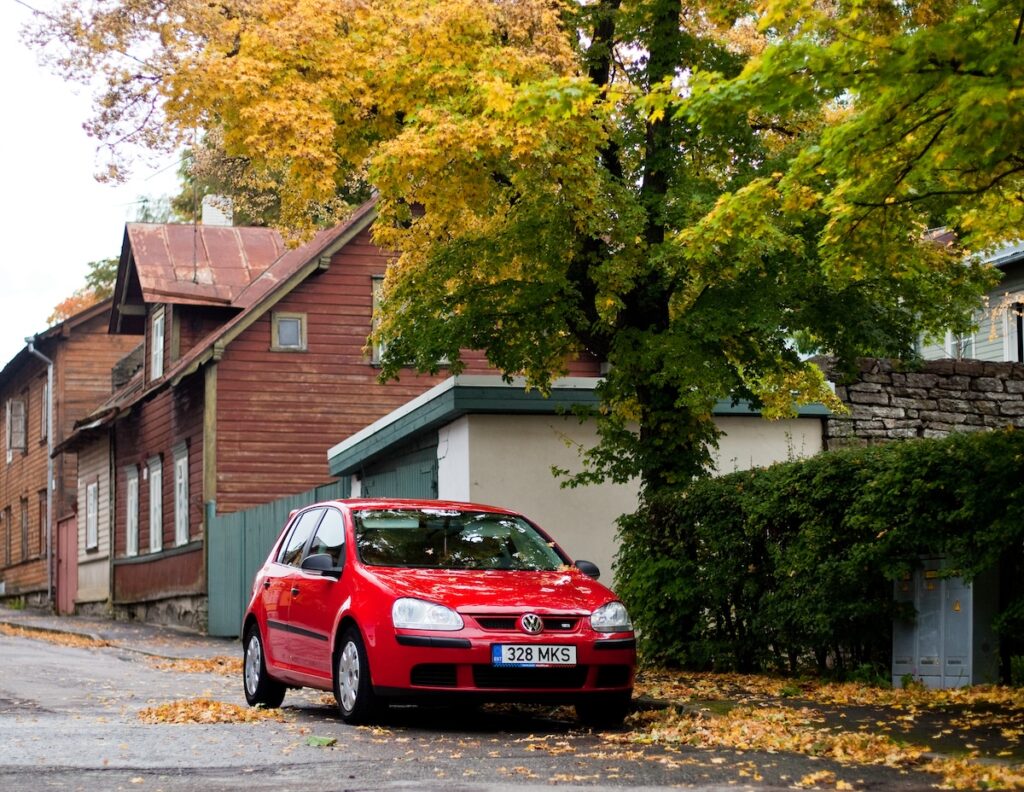
Estonia’s car tax came into force at the start of this year. Until then, Estonia had been the only EU country without a car tax. The car tax has two components: a registration fee paid when purchasing a vehicle, and an annual usage fee. Both fees are based on the car’s carbon dioxide emissions. Zero-emission vehicles, such as electric cars, do not have to pay the tax.
Many Estonians strongly oppose the tax, and a popular movement has emerged calling for its repeal. The car tax also divides political parties and politicians. For example, President Alar Karis initially refused to approve the tax, and sent it back to Parliament for reconsideration. Opposition parties EKRE and Isamaa oppose the tax in its current form and have stated that, if they come to power, they will abolish it.
To learn more about this and similar topicscar tax Debt defence News news in Estonia public sector debt