Estonian Restaurants Ranked Again
Text Timo Raussi

Photo Agenda PR / Lauri Laan
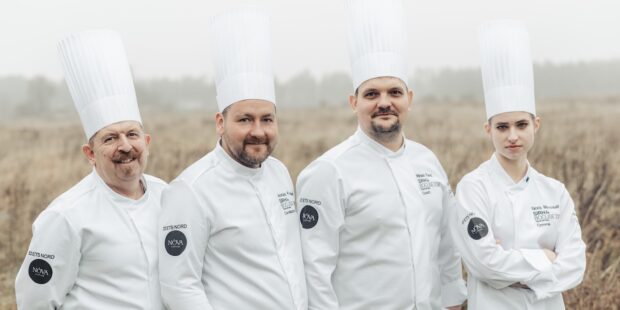
Chefs trained abroad are reshaping Estonia’s restaurant scene, while also preserving and valuing traditional cooking techniques. The Estonian culinary philosophy, which emphasises diversity and authenticity, is gaining attention in international food guides, respected within the industry beyond even the well-known tyre manufacturer’s guide.
For 45 years, the wine and gourmet magazine Falstaff has ranked restaurants around the world, including those around the Gulf of Finland. Its criteria and scoring system are similar to those of the previously widely referenced White Guide, but alongside professional critics, it also includes anonymous amateur reviewers. In the 2026 list published on Monday, 140 Estonian restaurants were included, and the jury selected Angelica Udeküll, head chef of the Wicca restaurant at the LaSpa spa hotel near Tallinn, as Chef of the Year.

With 89 points, Wicca placed joint 15th on the list, but Udeküll’s long-standing work and her role as a public advocate of seasonal, locally-sourced cuisine also recently earned her a place on the jury of the European selection for the Bocuse d’Or culinary competition.
While last year’s Falstaff top ten still included four restaurants outside Tallinn—Alexander on Muhu Island, Lahepere Villa in Kloogaranna, Hiis in the village of Jõelähtme, and Soo at Maidla Manor in Raplamaa—the 2026 list is even more Tallinn-centred, following the closure of the first two. Newcomers near the top include Koyo Omakase, led by Japanese chef Hokari Kazuto at The Burman luxury hotel, O2 headed by Martin Meikasen, Rado led by Rado Mitro, and Triinu Tapper, NOA (the so-called entrance hall of the long-time “runner-up” NOA Chef’s Hall), and Horisont, located high above the city on the top floor of the Swissôtel.
The competitiveness and consistently high level of the rankings are reflected in the fact that as many as 31 restaurants from across the country fall within the narrow score range of 88 to 91 points—including establishments in Tartu, Pärnu, Viljandi, Haapsalu, Saaremaa and the village of Lüllemäe in Valgamaa. High-quality fine dining experiences at relatively affordable prices can therefore still be found throughout Estonia.
Gastronomy and sustainability
For those seeking not only excellent cuisine but also strong ecological and social responsibility, the Nordic-origin restaurant guide 360° Eat Guide is likely the most relevant reference. In addition to gastronomic quality, its jury evaluates sustainability practices in both kitchen and front-of-house operations, including energy use, waste management, and social responsibility within the workplace.
The 2026 results for Estonia show similarities with the Falstaff list, as the top ten in both include (in alphabetical order) Barbarea, Fotografiska, Hiis, NOA Chef’s Hall, and Soo. The rest of the top ten sustainability leaders, along with ten additional recommended restaurants, can be found here.
It is also worth noting that Karoliina Jaakkola, the Finnish chef who made a name for herself at Restaurant Soo, stepped down from her role at the turn of the year, and is no longer part of the Maidla Manor team. Amid her transition to new challenges, she also took part in the catering team for the Estonian Independence Day presidential reception on 24 February.
To learn more about this and similar topics360 Eat Guide Estonian food Falstaff Fine Dining Michelin restaurant guide Restaurants White Guide