24 February Is Estonia’s Independence Day—and What Else?
Text Timo Raussi

Photo Chris Robert / Unsplash
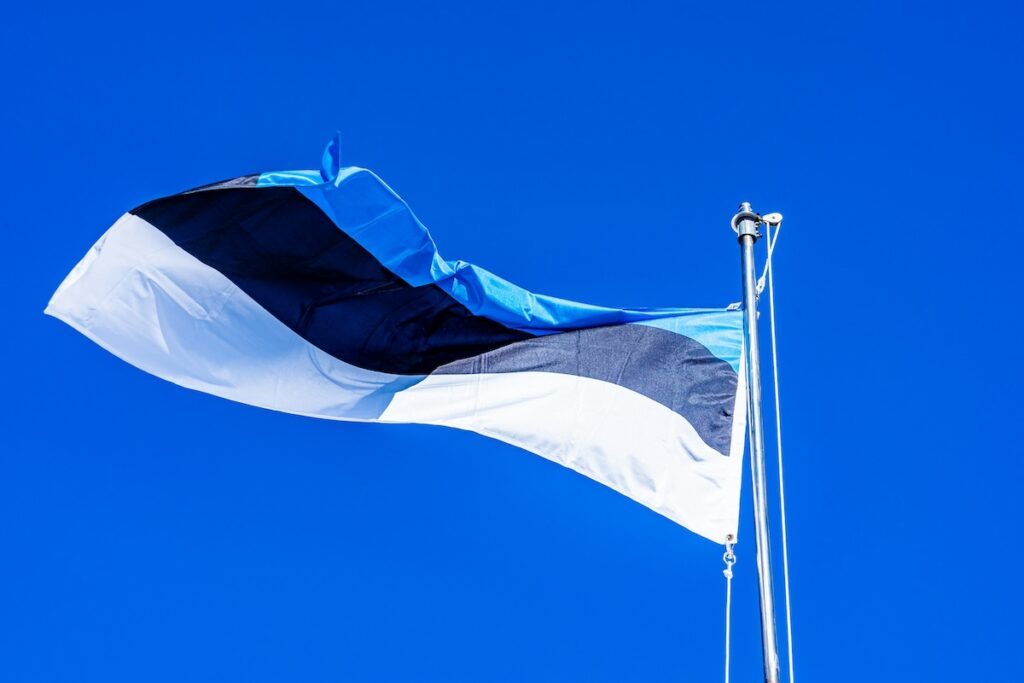
Why is Estonia’s Independence Day celebrated specifically on 24 February and not the previous day, when the country’s Declaration of Independence, the “Manifesto to the Peoples of Estonia”, was read publicly from the balcony of the Endla Theatre in Pärnu? The answer, as is often the case in history, lies in seizing the moment amidst global turmoil. The same applied in August 1991.
Germany had launched an offensive on 18 February through the Baltic countries against Soviet Russia and its leader Lenin. In Tallinn, the Bolsheviks were in a hurry to flee from the approaching Germans, and the city was successfully brought under Estonian command on 24 February…for just one day. But that was enough. The Manifesto was printed in a Tallinn printing house and published, giving it officially recognised status—just in time before the newly declared independent state had to submit once again, this time under German military administration. The rest, involving the final years of the First World War and the Estonian War of Independence, is an entirely different story.
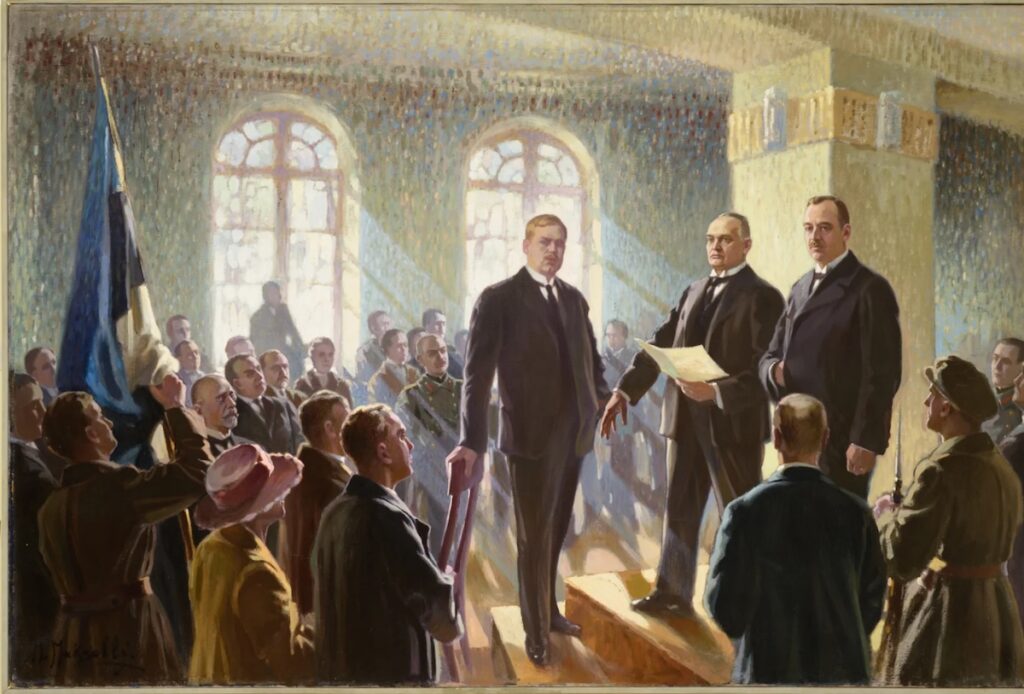
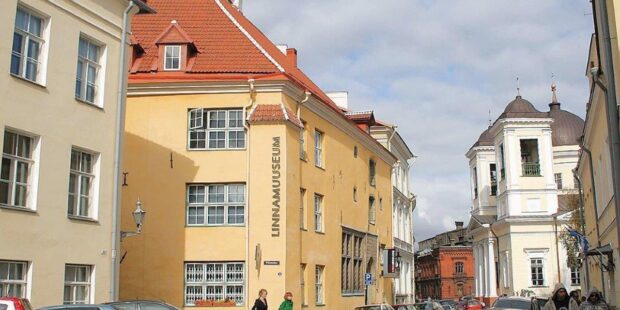
What else do we know about the date 24 February? For example, that the grand painting depicting the day’s events, the proclamation of the Manifesto, created by painter Maksimilian Maksolly, and part of the Tallinn City Museum collection since 1941, is “coloured” by the propagandistic nature of its creator. In reality, the circumstances were far more modest, and the three members of the Estonian Salvation Committee who orchestrated the Manifesto—Konstantin Päts, Jüri Vilms, and Konstantin Konik—did not have an audience like the one depicted.
Independence Day in Tallinn has been celebrated in the springlike warmth of +9.2°C in 1990, as well as in a biting cold -25.4°C in 2011. The name-day celebrants of the day include Madis, Mattias, Mait, and Mats, and in folk tradition, this Madisepäev or Madis Day is considered the moment when spring tasks begin.
Flies and other pests harmful to rural life, as well as the laziness that might threaten the coming summer, were warded off on Madisepäev through spells and a variety of folk remedies. Many tasks were forbidden: spinning yarn, sewing and weaving, and in general the handling of sharp objects were believed to bring many snakes to the yard and fields in summer. Cabbage or peas also could not be cooked that day, as it was believed this would fill the harvest with worms.
People born on Estonia’s Independence Day include composer and Eurovision singer Stig Rästa; financier Tiina Mõis, who became Estonia’s richest woman via Hansapank—the predecessor of Swedbank in Estonia; rector of the Estonian Academy of Arts and textile artist Signe Kivi; and film director Peeter Simm, whose many works include the 2007 Finnish co-production about singer Georg Ots. Congratulations to them, and congratulations to all Estonians! Elagu Eesti! Long live Estonia!
To learn more about this and similar topicsDeclaration of Independence History Independence Day Madisepäev Pärnu Tallinn